Australian Topaz

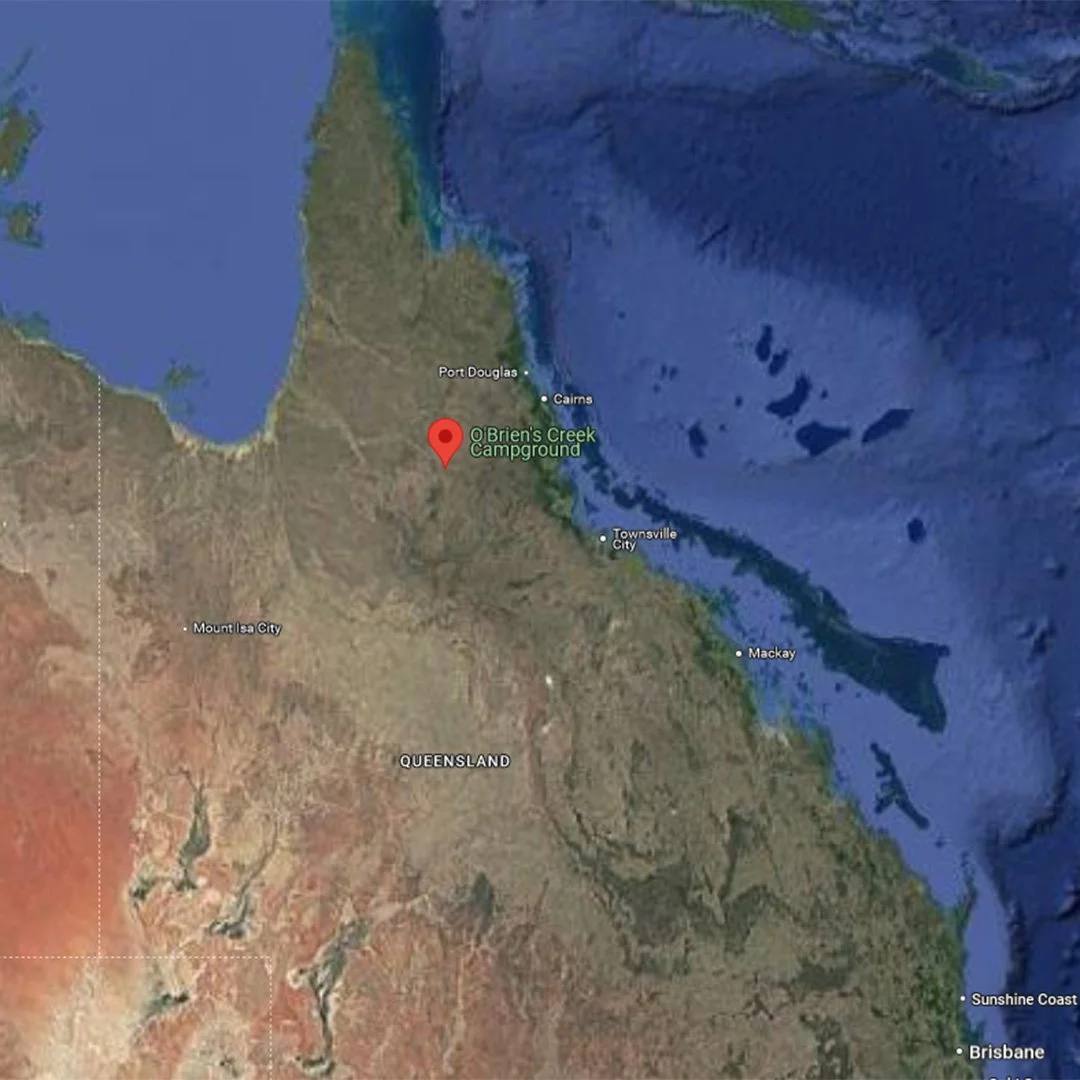
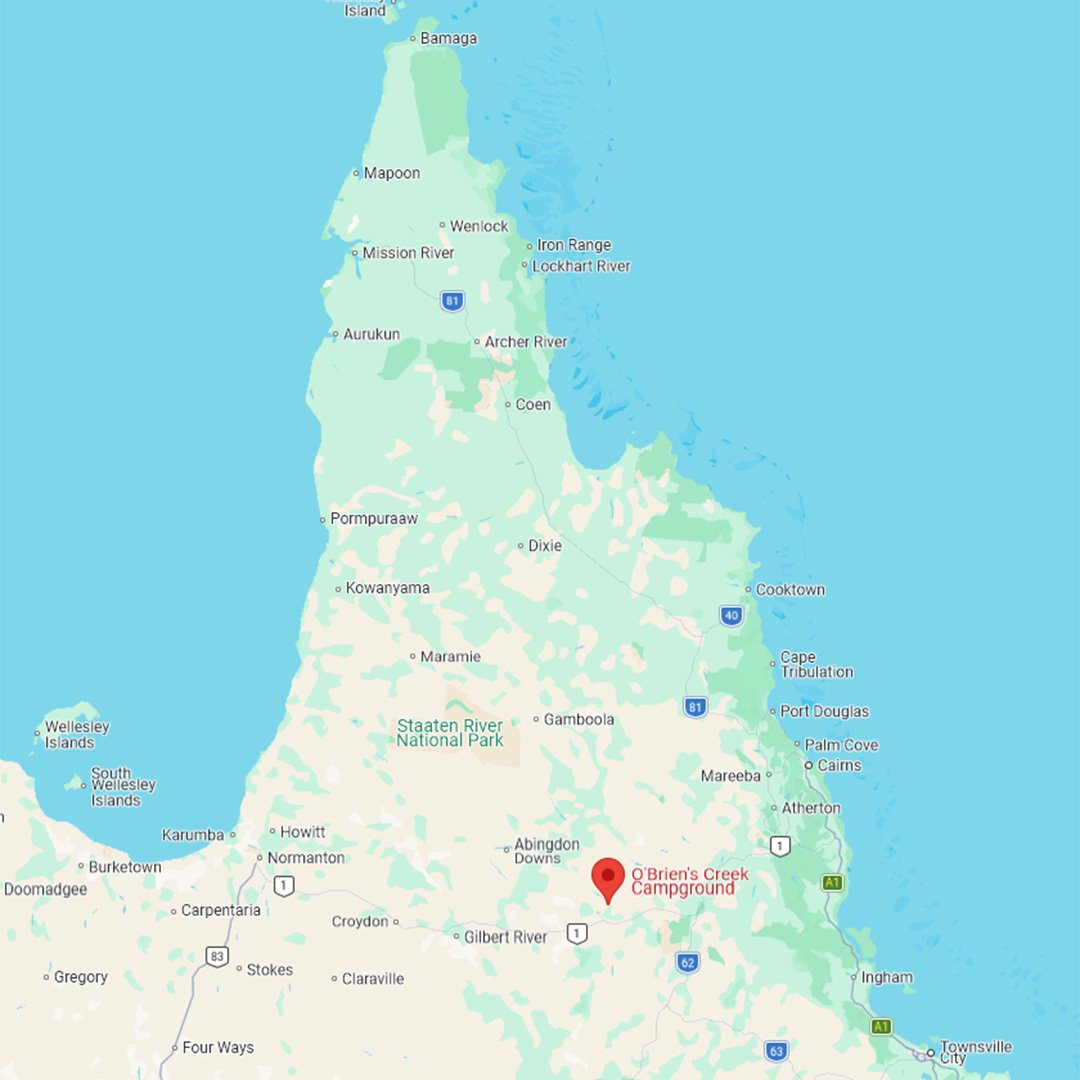
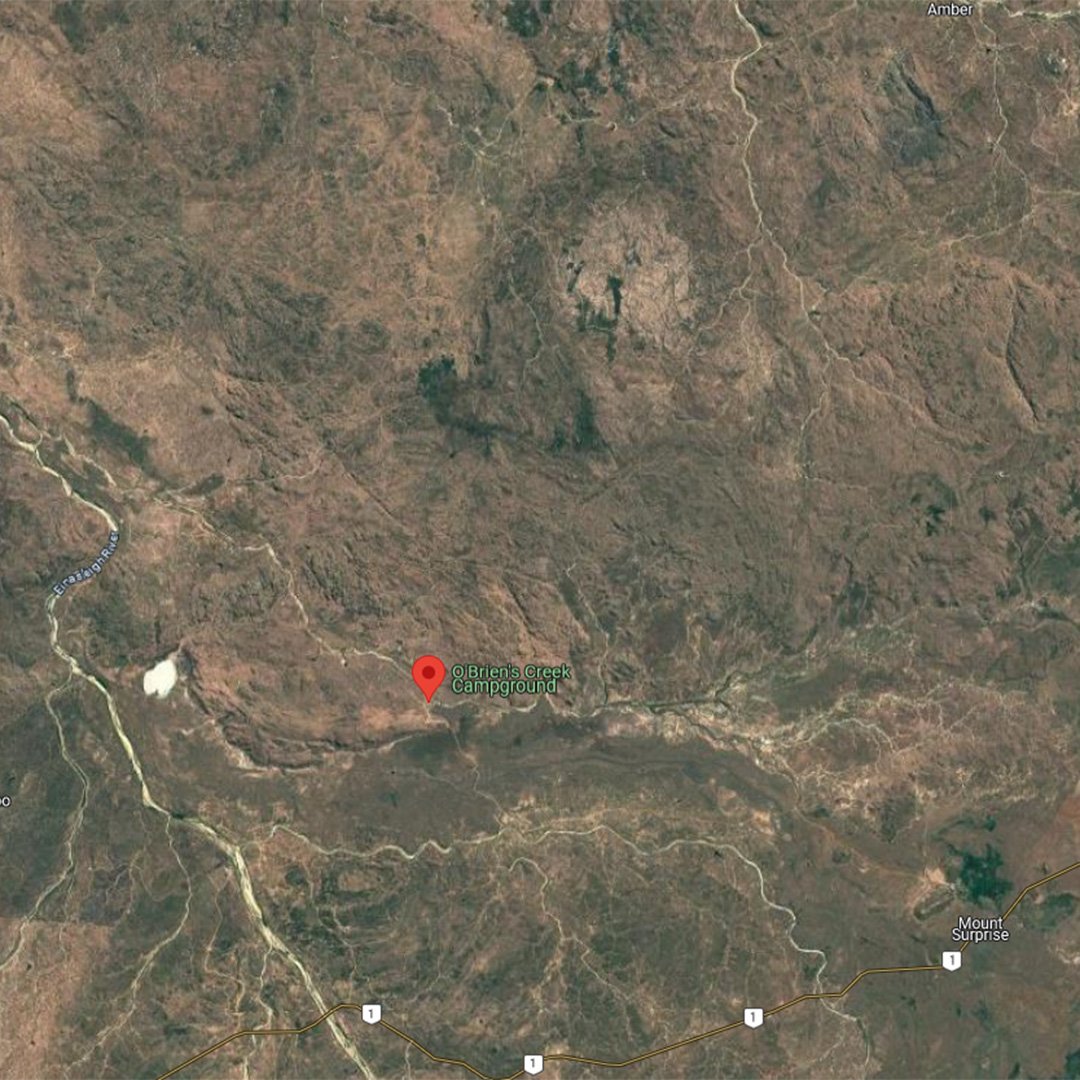
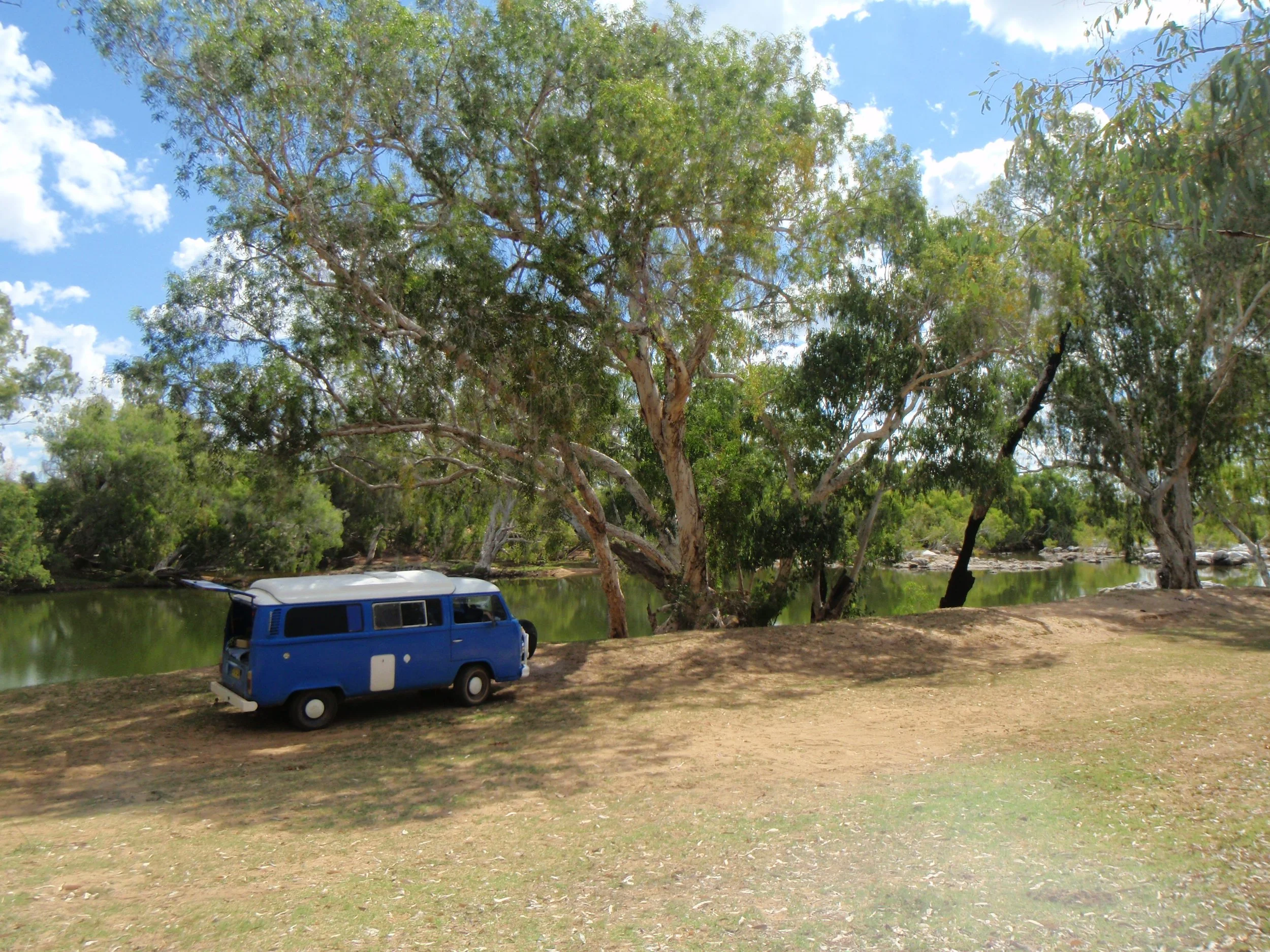
Every year over the winter months there occurs a migration of many adventurous souls to a small area of the outback approximately 40kms outside of the township of Mt Surprise in Far North Queensland. They come from all over the country escaping colder climes to a place called O'Briens Creek and for those winter months the scenic campground found there on the banks of a lovely freshwater creek takes on a village atmosphere.
Why do they come? Well, besides the glorious sunshine and blue skies, bush scenery and familiar faces, they're here for the TOPAZ (and the bushwalking, birdwatching, photography and more)!
Topaz is the other great Australian gemstone that surprisingly few people know about. Everyone is familiar with opals from Lightning Ridge and Coober Pedy, sapphires from Rubyvale, even diamonds from the Argyle, but topaz tends to leave people a little mystified.
The landscape
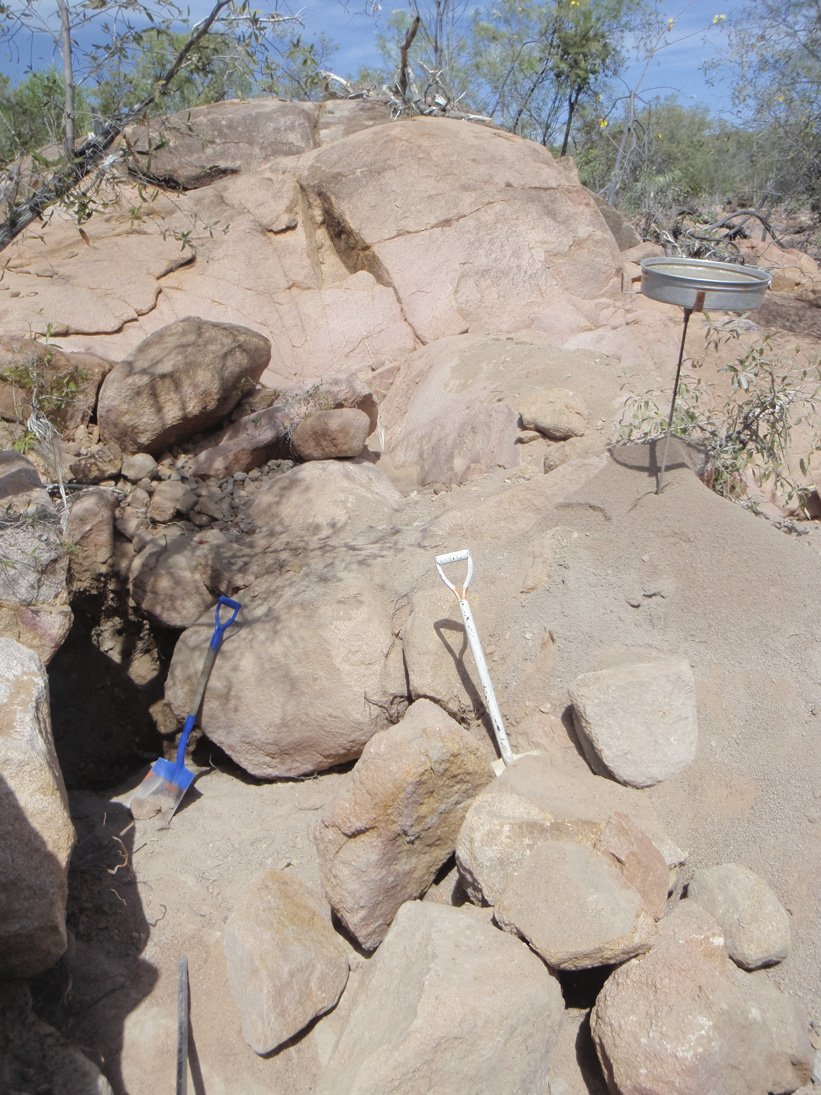
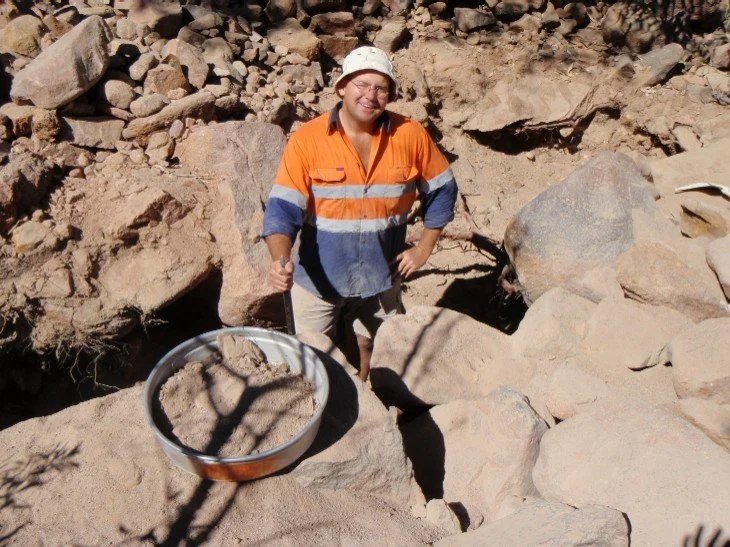
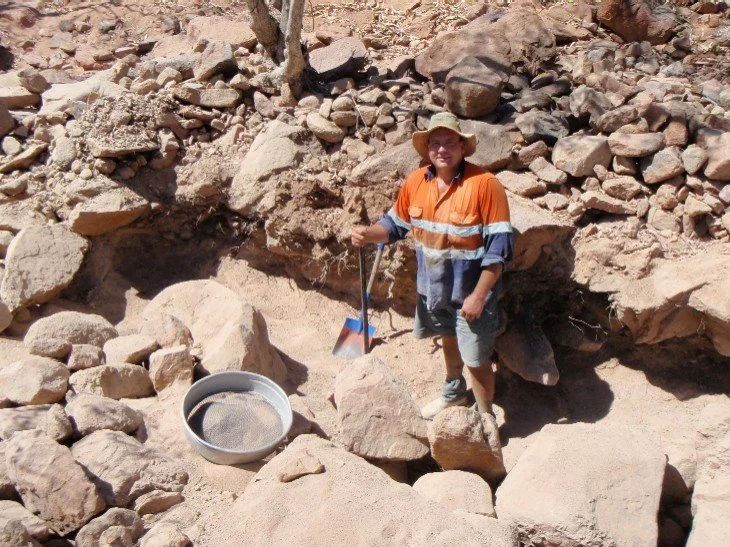
O'Briens Creek gemfield is approximately 10,000Ha of land that the state government has designated as a public fossicking area. An inexpensive licence is all that is required for you to be allowed to dig here and can be obtained in Mt Surprise. Equipment is basic - a shovel, pick or (my personal favorite) crowbar, seive and a stand to put it on. A 4WD vehicle is a good idea if you want to get into the more adventurous and remote areas but not essential.
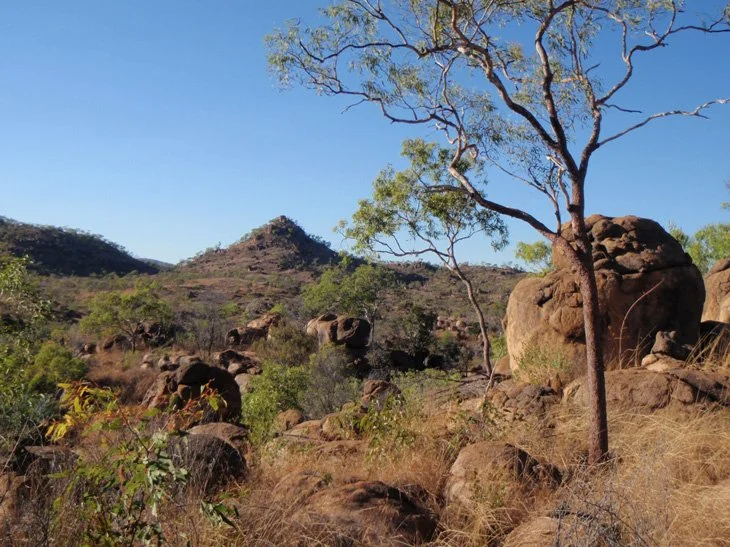
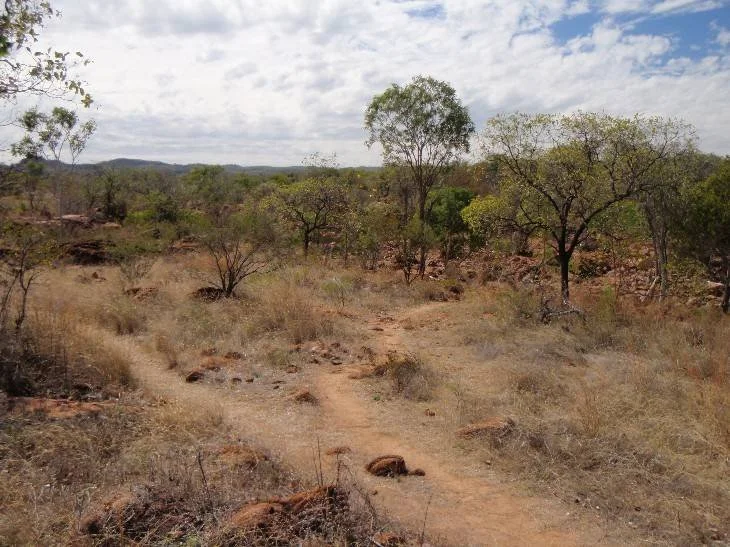
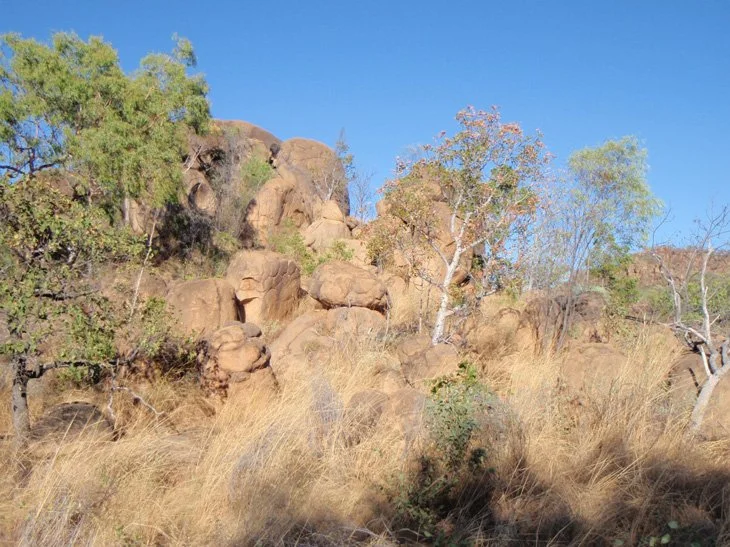
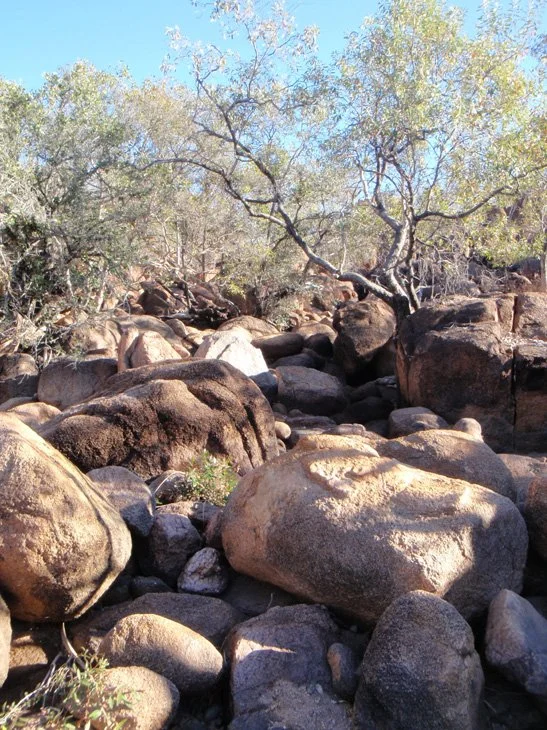
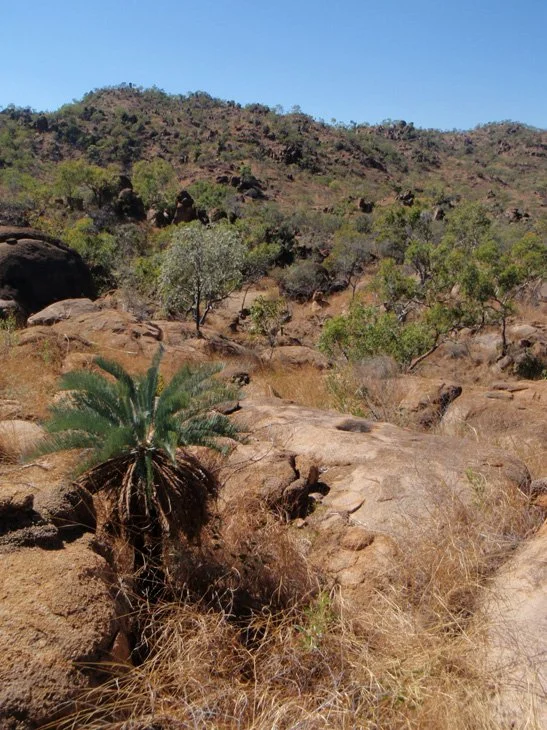
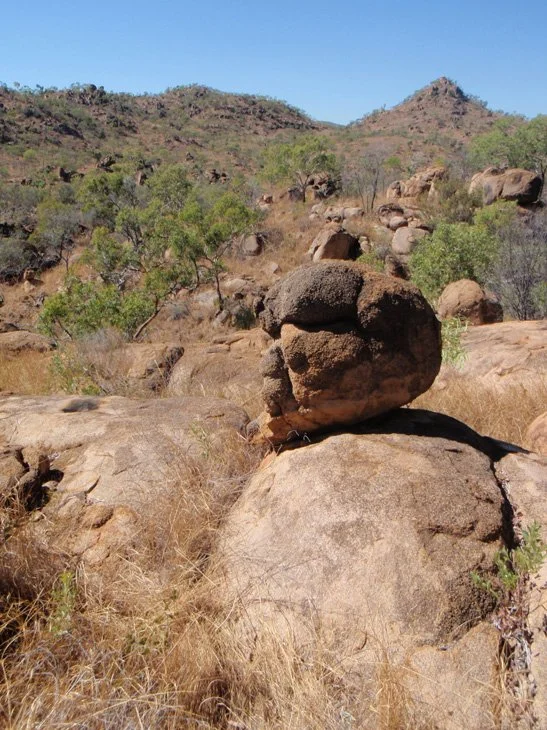
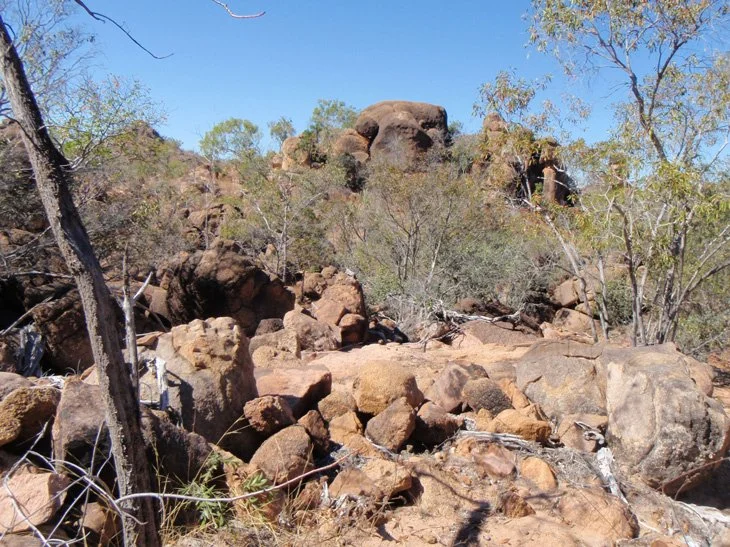
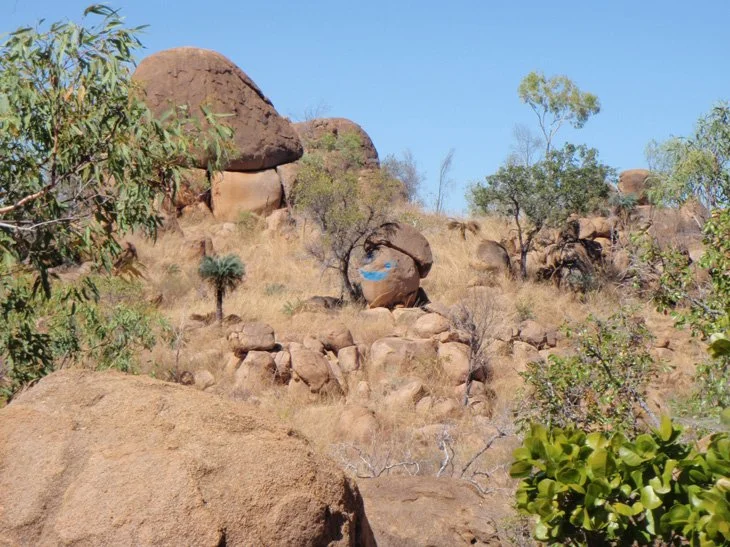
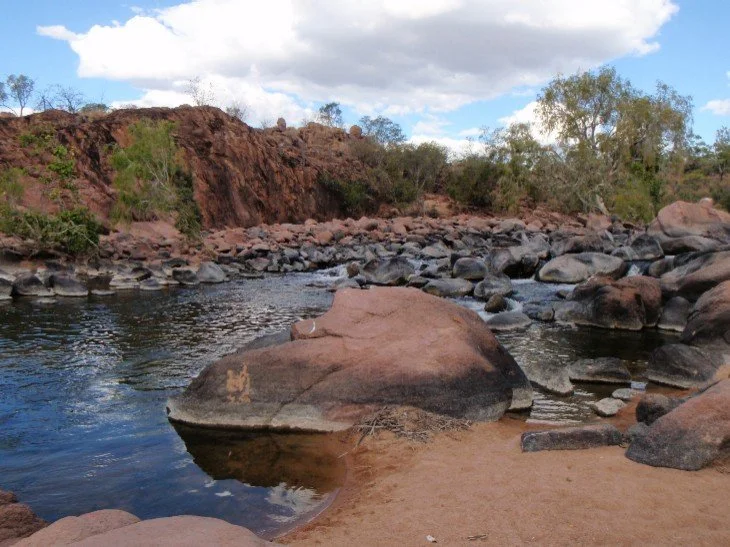
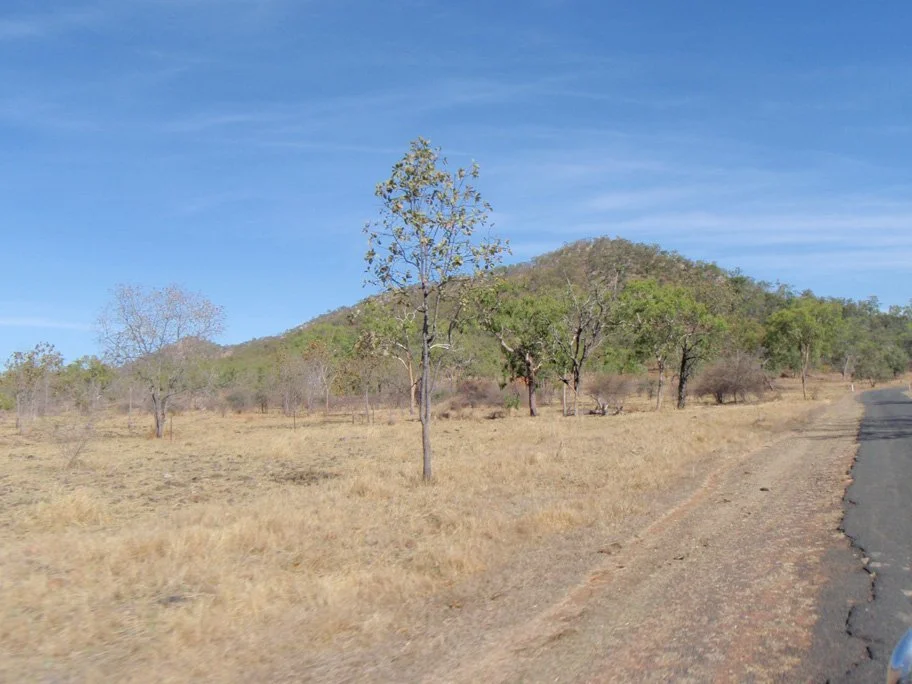
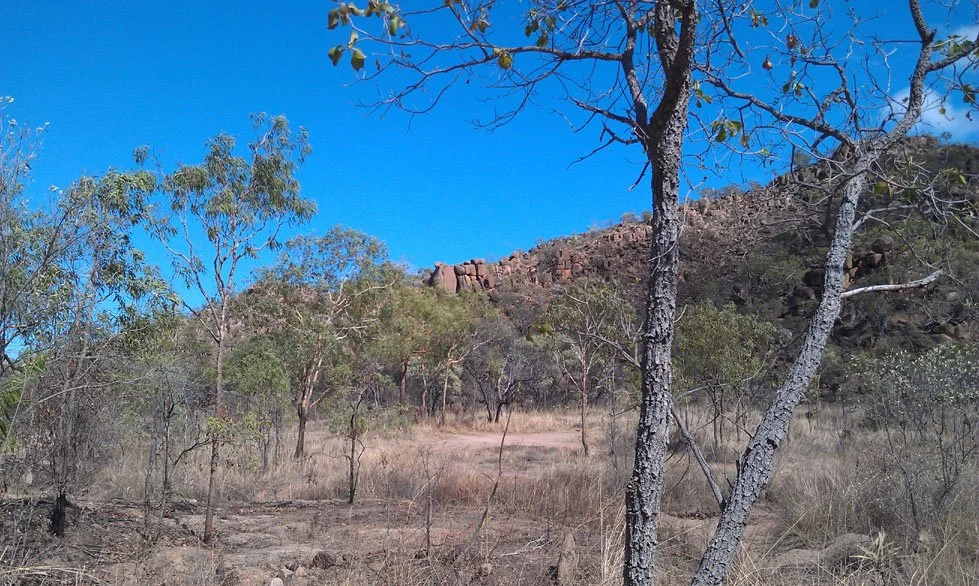
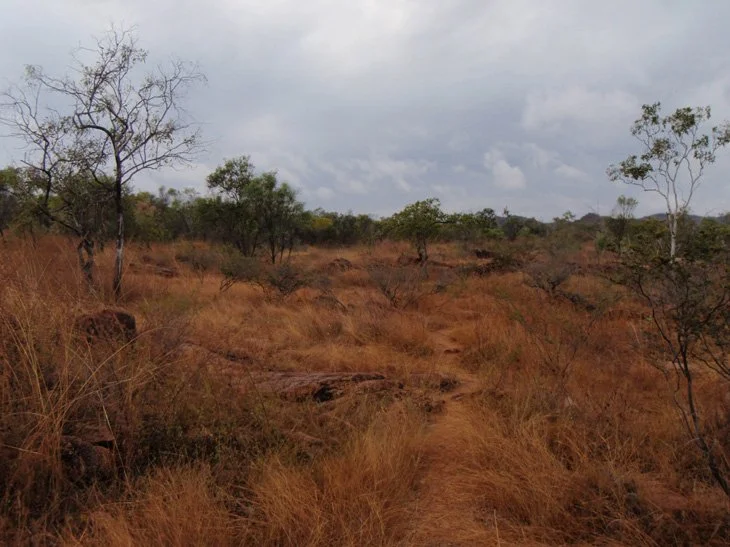
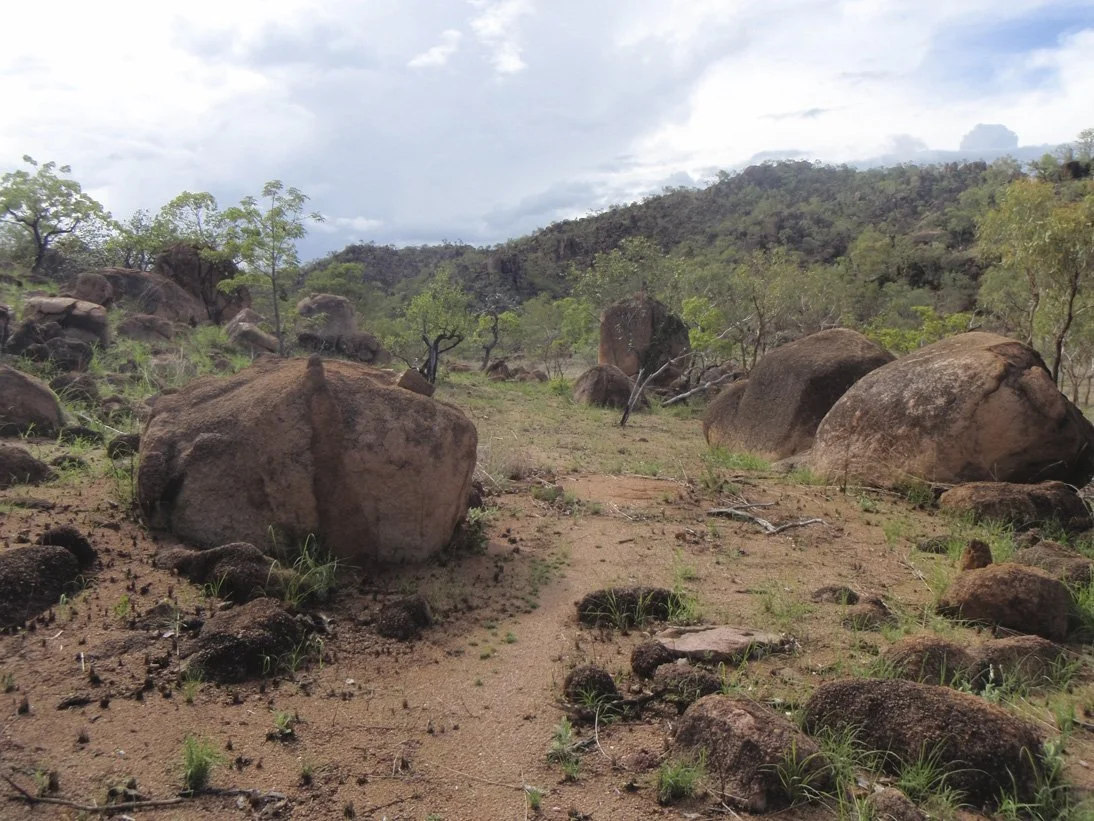
This area where topaz is found is a very old, rugged, pink granite landscape called savannah country. Geologist have estimated the age of the old pink granite hills to be at least 300 millions years! The topaz is thought to have been formed around this time or much earlier which make it some very old gemstone. When I was digging for topaz, it never ceased to give me pause when I found a topaz to know that I was the first person to hold that stone in my hand in it's long life and to know that it can easily last another 300 million years or more.
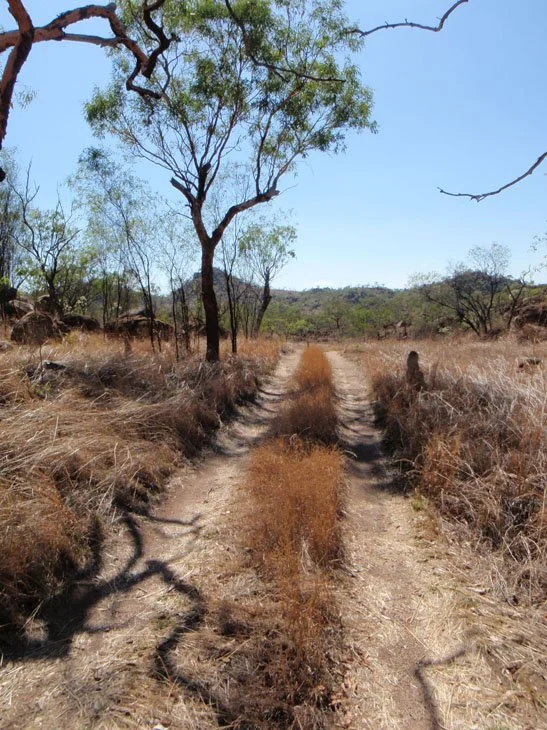
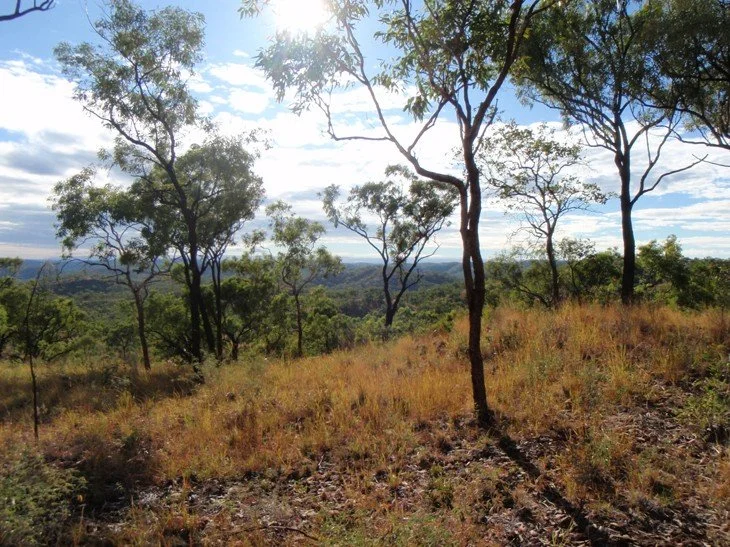
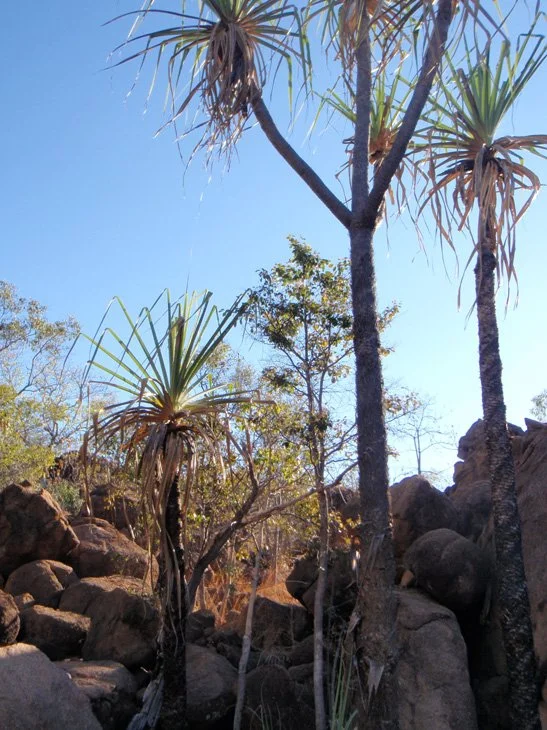
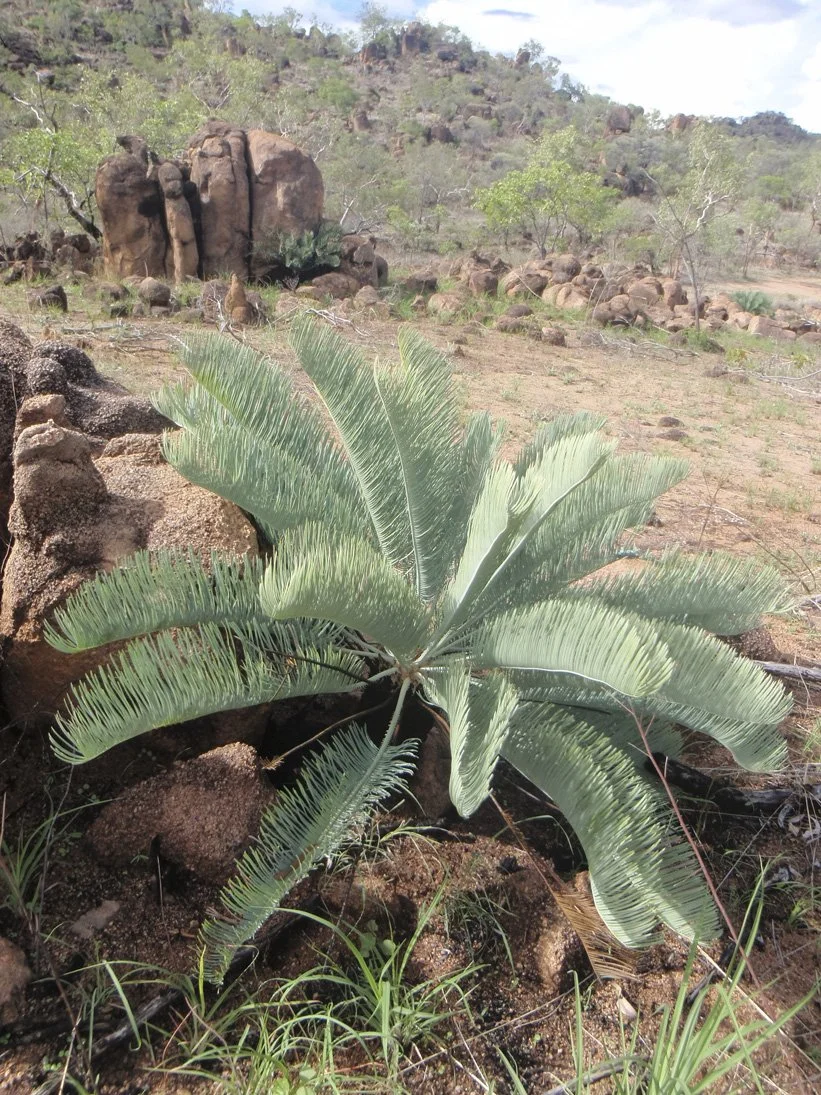
I don’t really have the words to describe how beautiful and special this savannah country is. Wild, raw and remote, it’s a place to walk quietly and observe with so much to see and take in. I remember large flocks of black cockatoos, kangaroos and wallabies, goannas, magpies and butcher birds, emus and all manner of wildlife. There is also history to be found, it was an area where back-in-the-day a lot of tin mining was done and wandering about the flats and hills you will still come across old relics and reminders from that time.
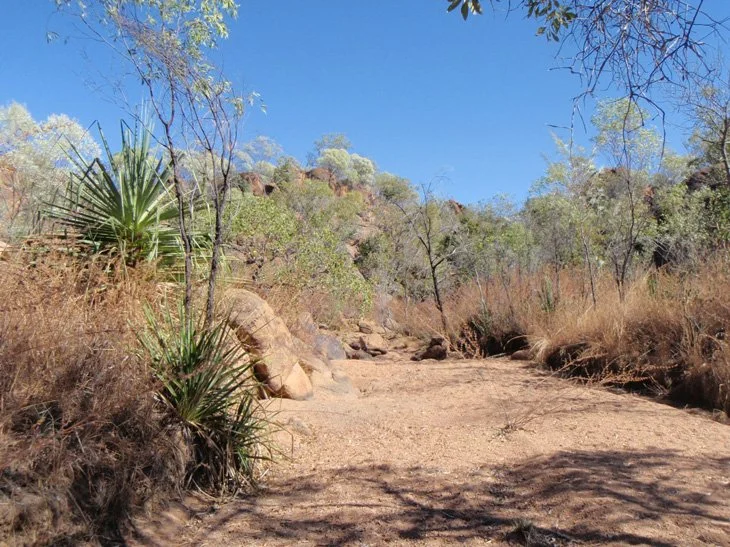
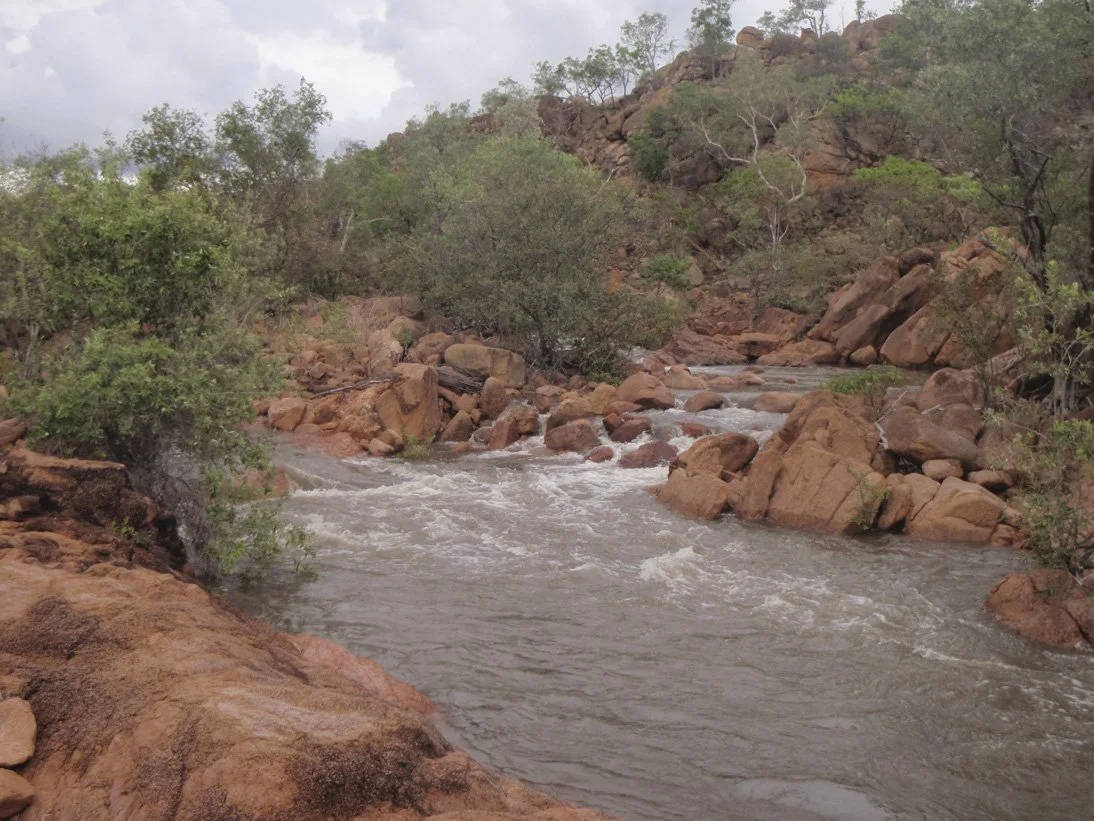
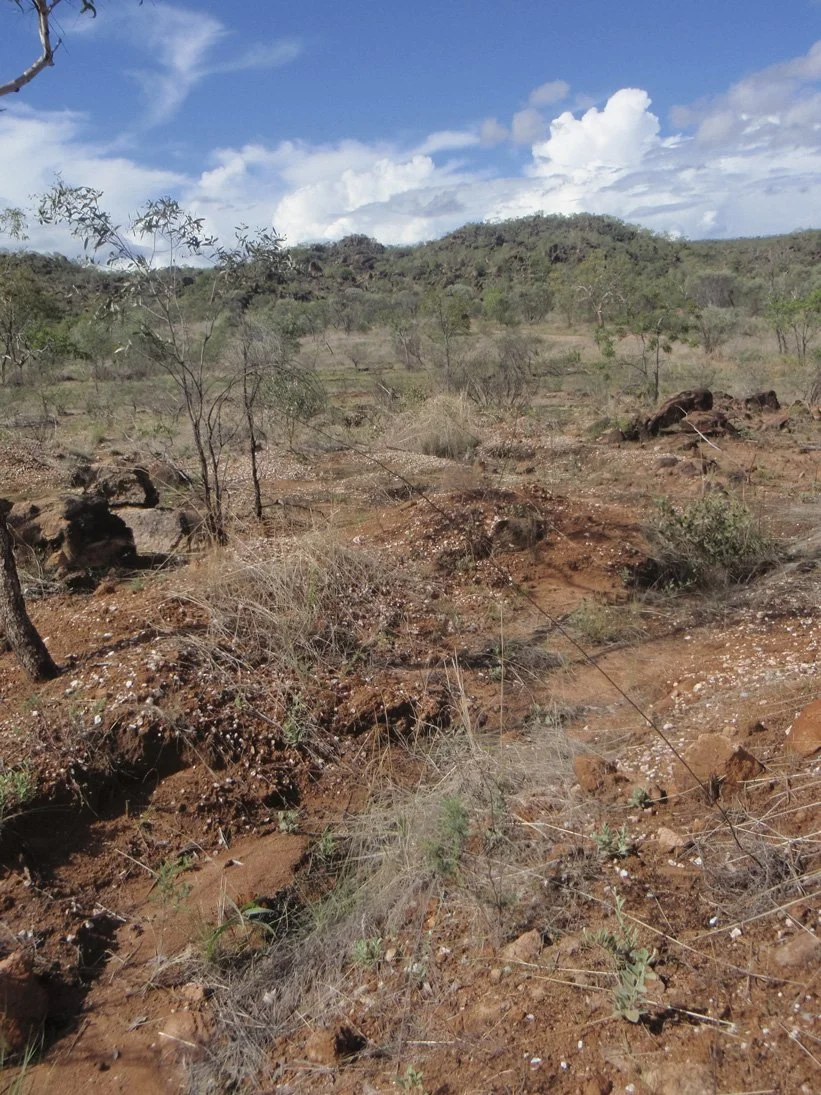
Over millennia, time and weather has created a rugged landscape of pink granite boulders and hills and it is from here where the topaz sheds. The land has moved up and down over the long years, the creeks left and right. Where a creek runs now might not be where it ran thousands of years ago. Part of the trick to finding topaz is to try and read the landscape to see where old creek courses might have ran and dig there. Topaz is heavy, like sapphires and gold and over countless seasons will work it’s way down deep until it hits bedrock and can go no further. Often you’ll dig down through a fair depth of hard decomposed granite soil finding nothing until you come to the last six inches and suddenly topaz starts appearing. That’s always exciting and if it’s a blue, all the better! Here, folks want to get the blues (the blue topaz that is).
Winter Dry Season
Seasonally there is the winter dry and summer wet cycle.
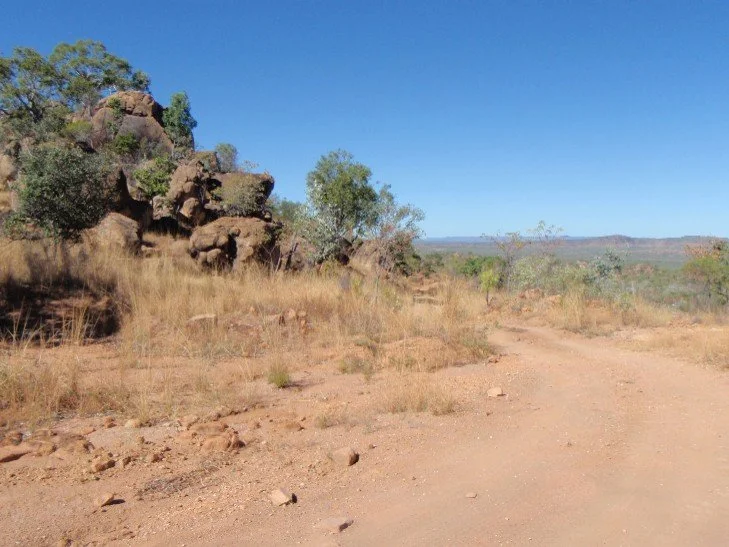
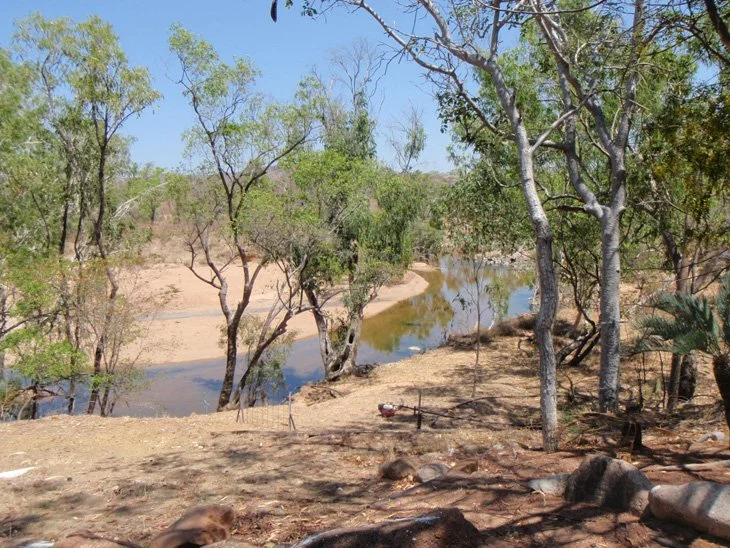
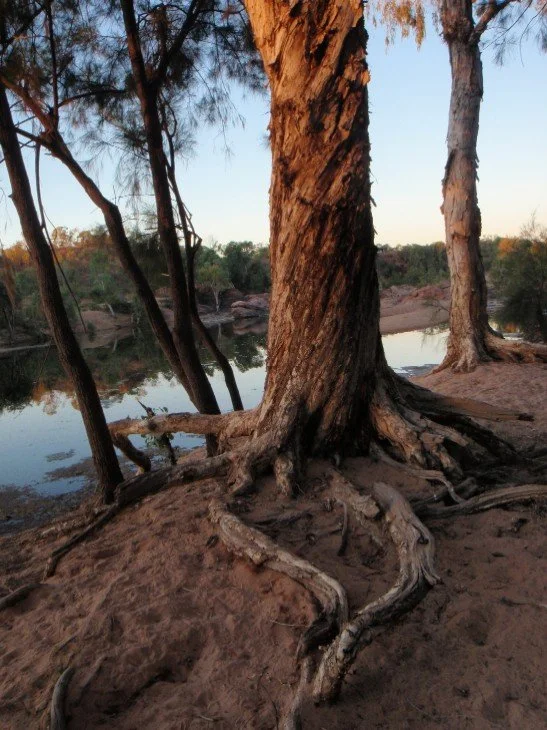
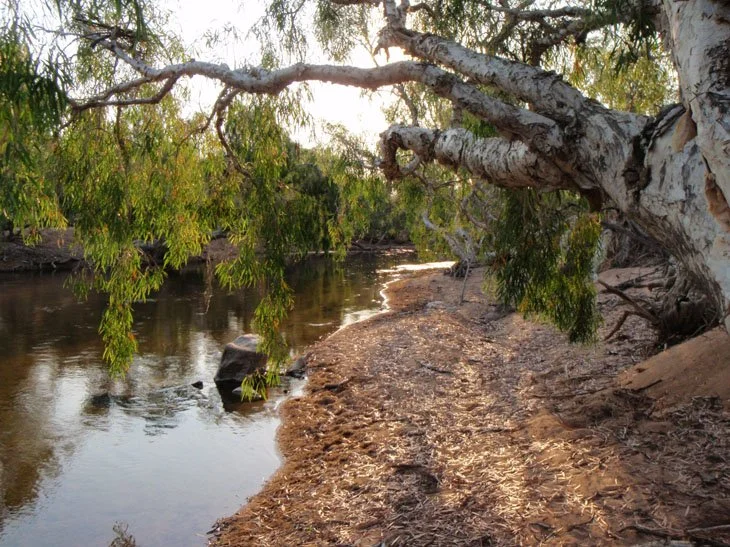
Wintertime over June, July and August is generally when most folks come here to camp and fossick. The temperature is ideal, not much rain if any and fantastic blue skies, perfect digging weather. Camping is beside the banks of the freshwater Elizabeth Creek. This is a big campground with plenty of space to spread out. There is an amenities block but otherwise bring all you need to be self sufficient. Mt Surprise is the nearest town back 40kms along the dirt road.
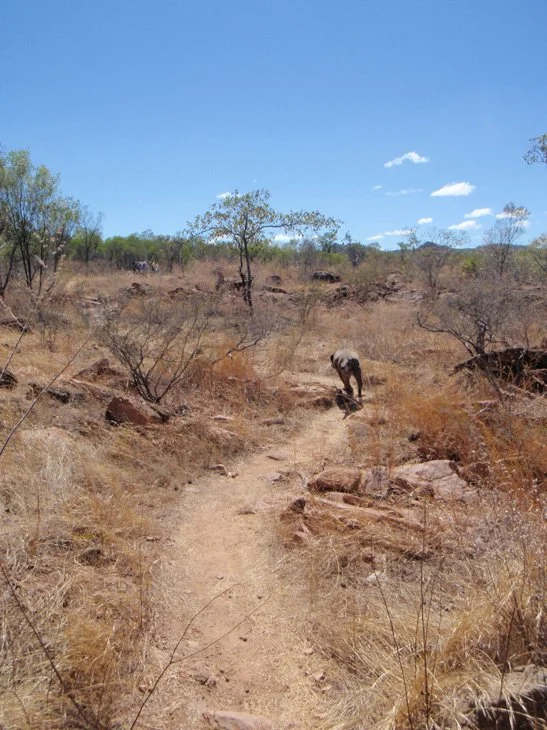
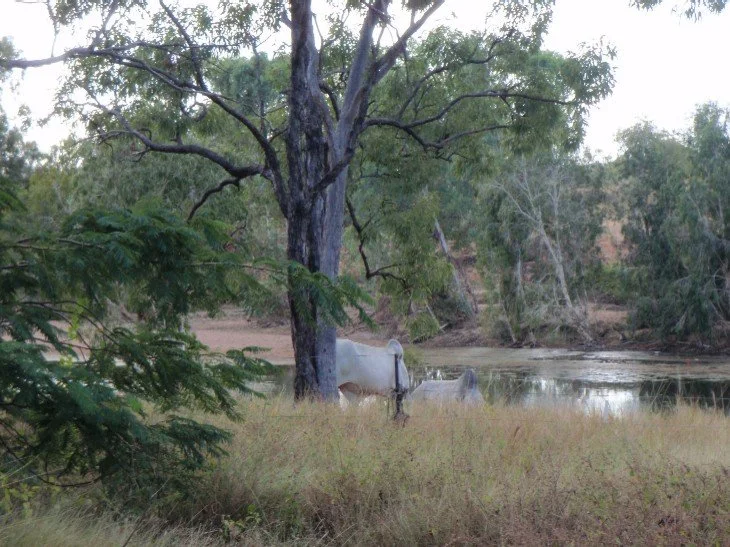
Even if you are not particularly interested in digging topaz, this is truly a marvelous place to go bushwalking and photographers will find much to inspire. The landscape is endlessly photographic and there are many species of birds and other critters. And even while you are just walking around there is every chance in the world to speck a nice topaz or smoky quartz crystal. If you’re really lucky you might even find a piece of aquamarine.
Summer Wet Season
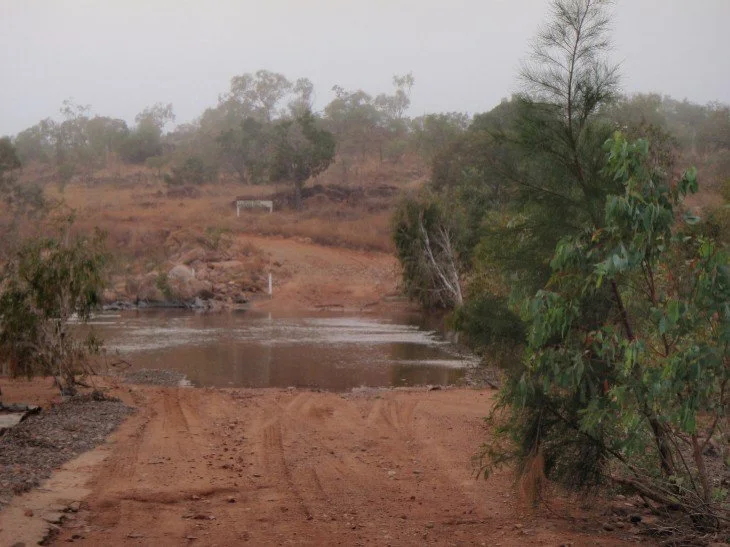
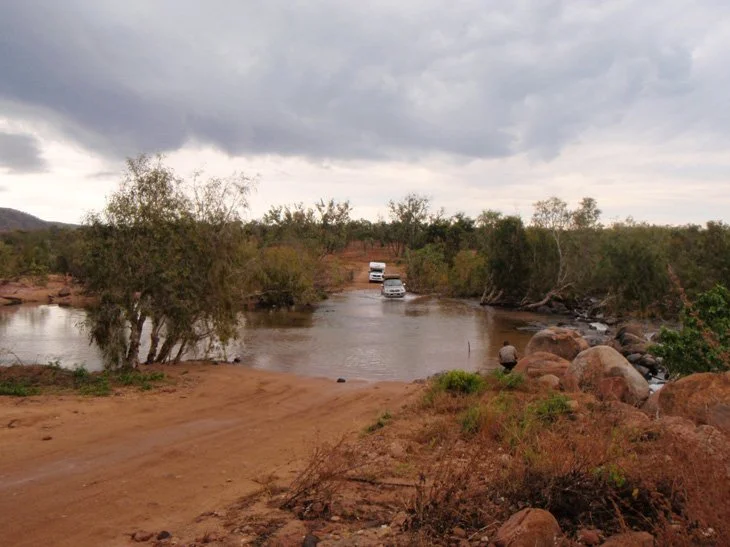
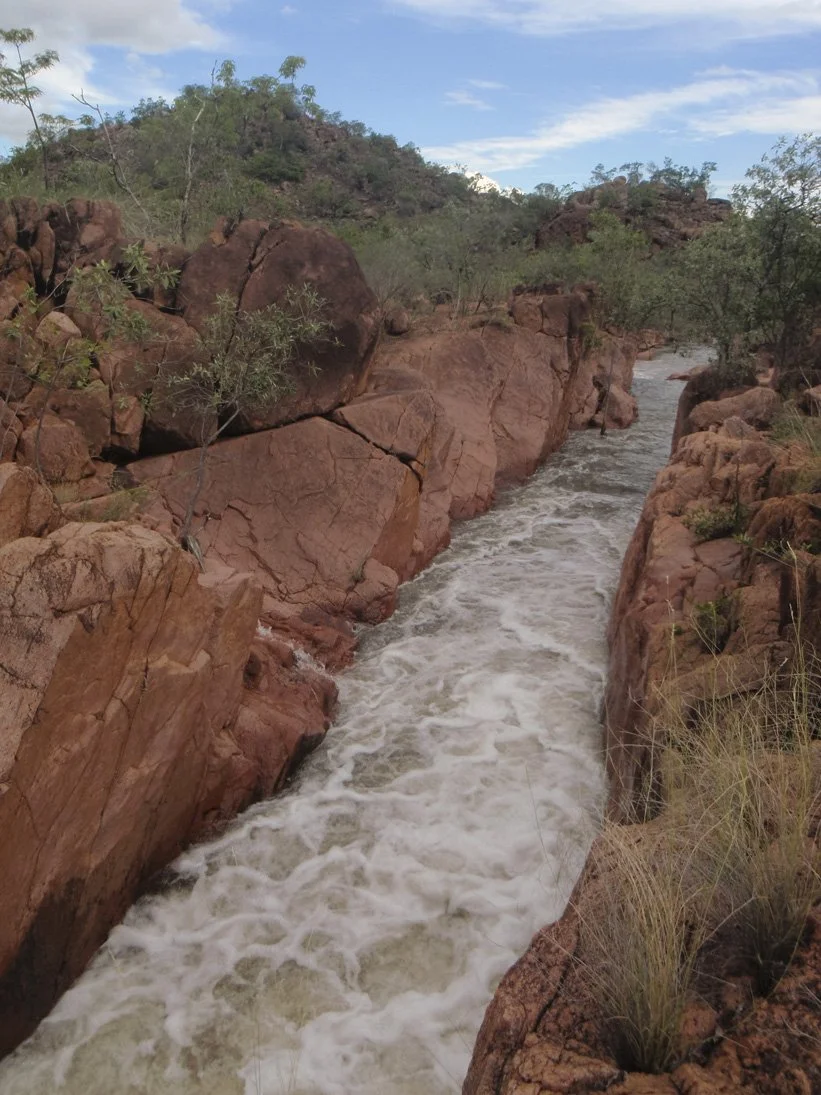
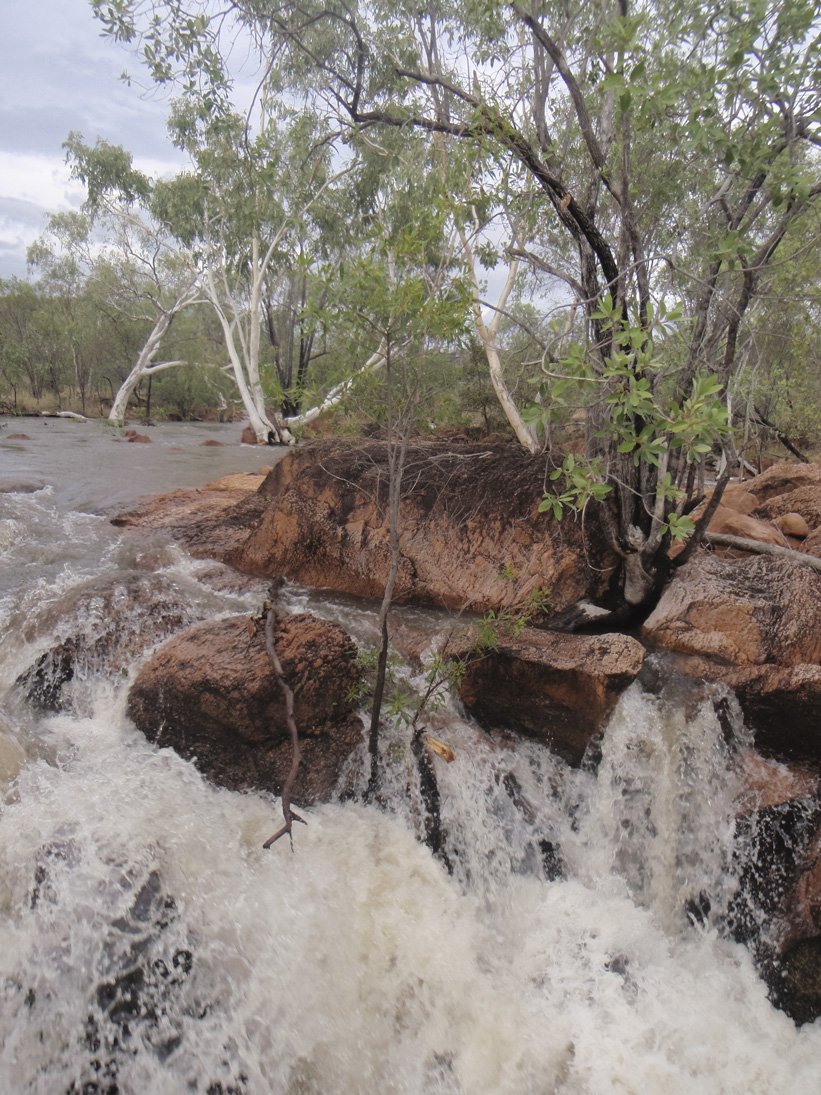
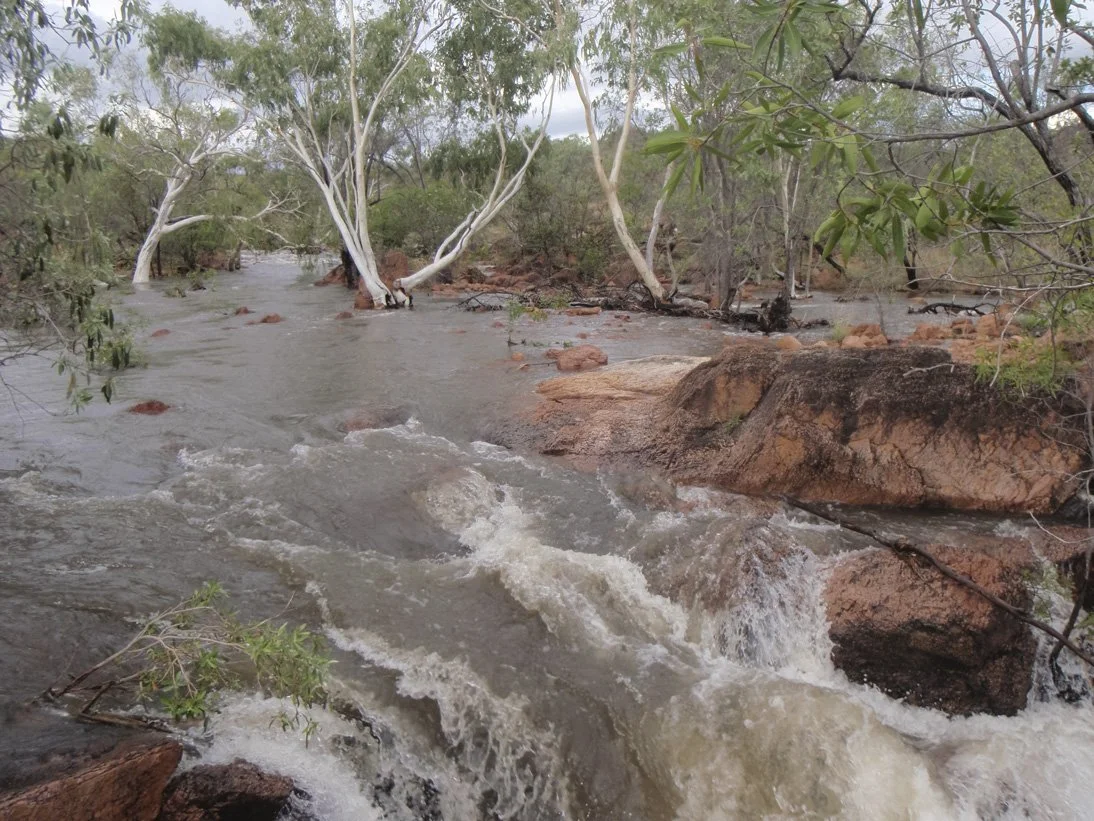
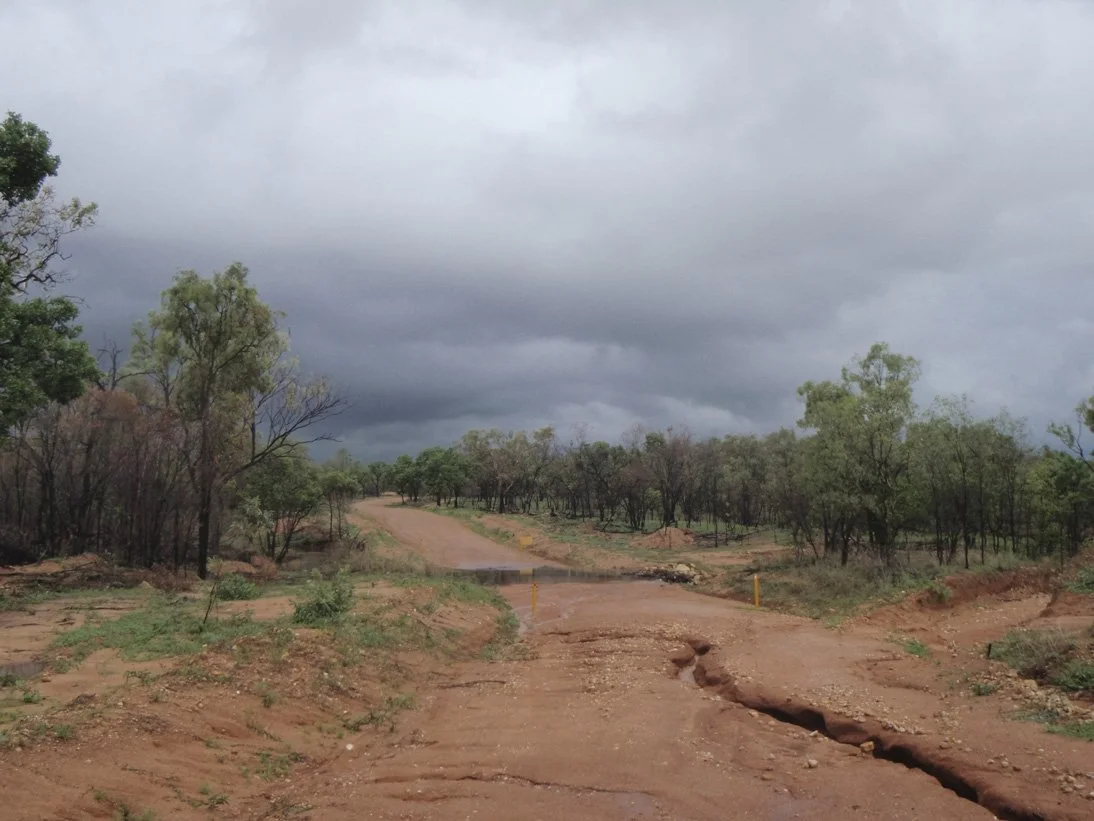
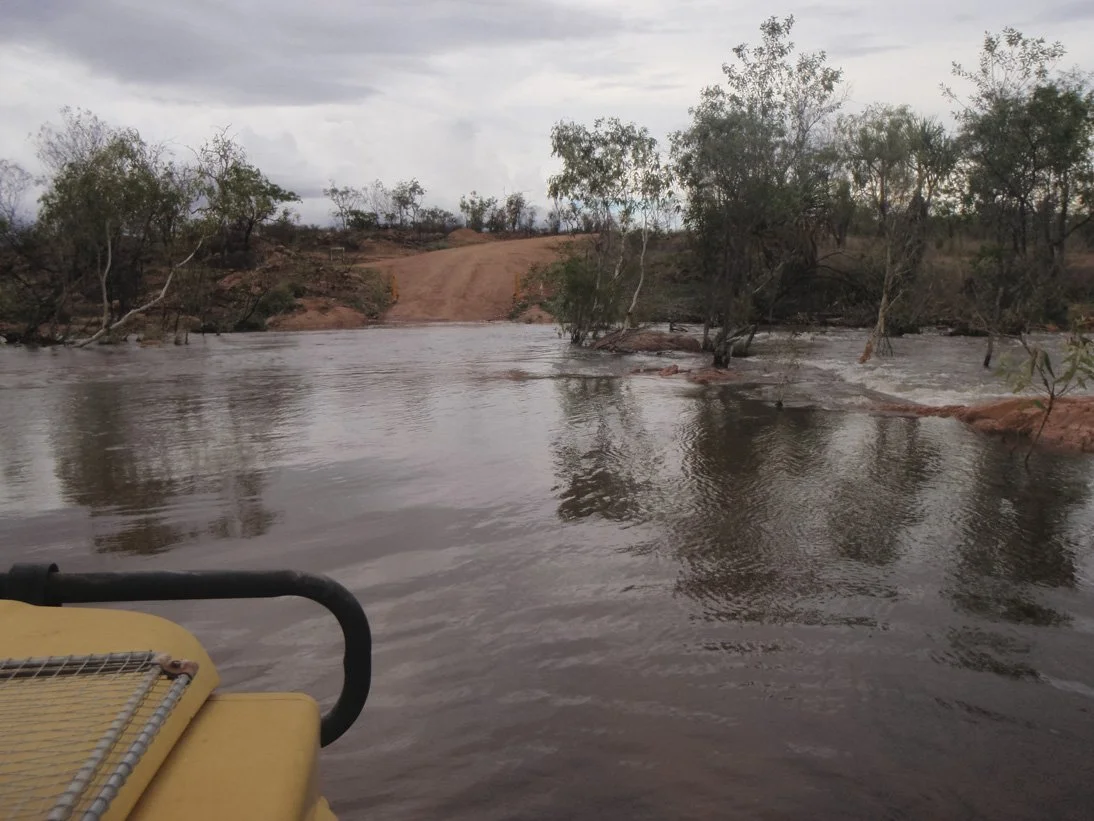
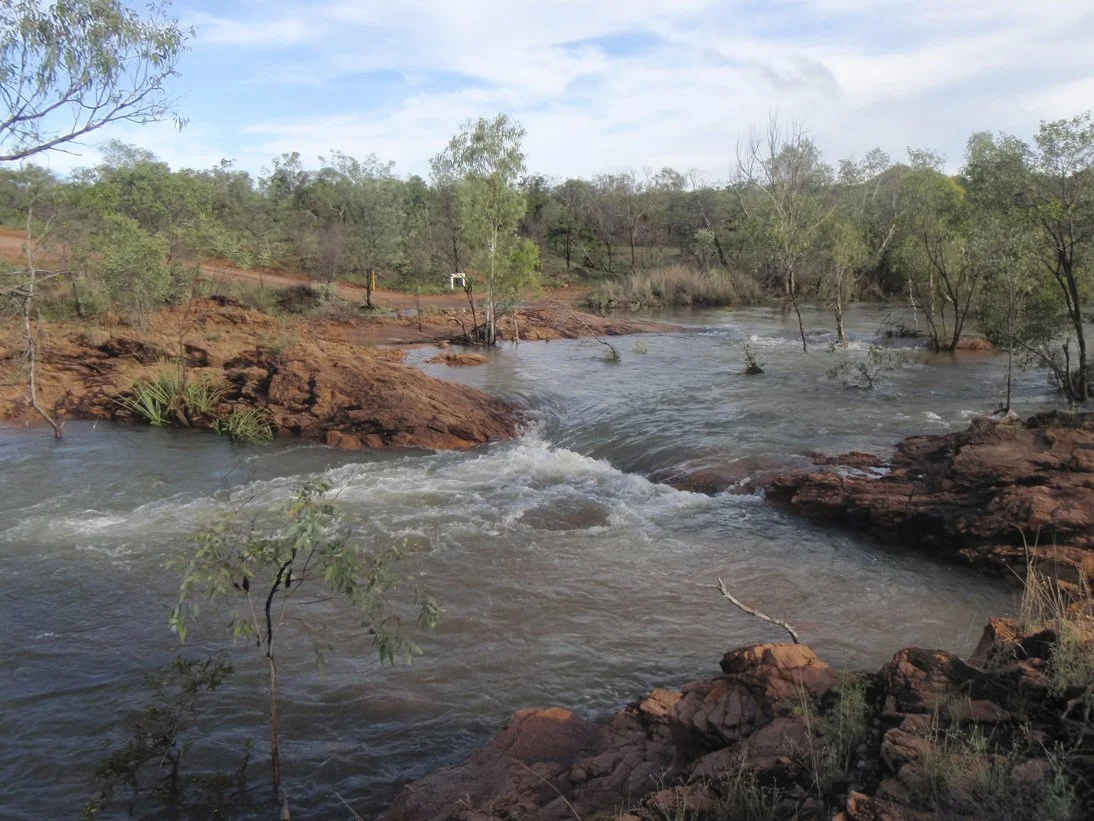
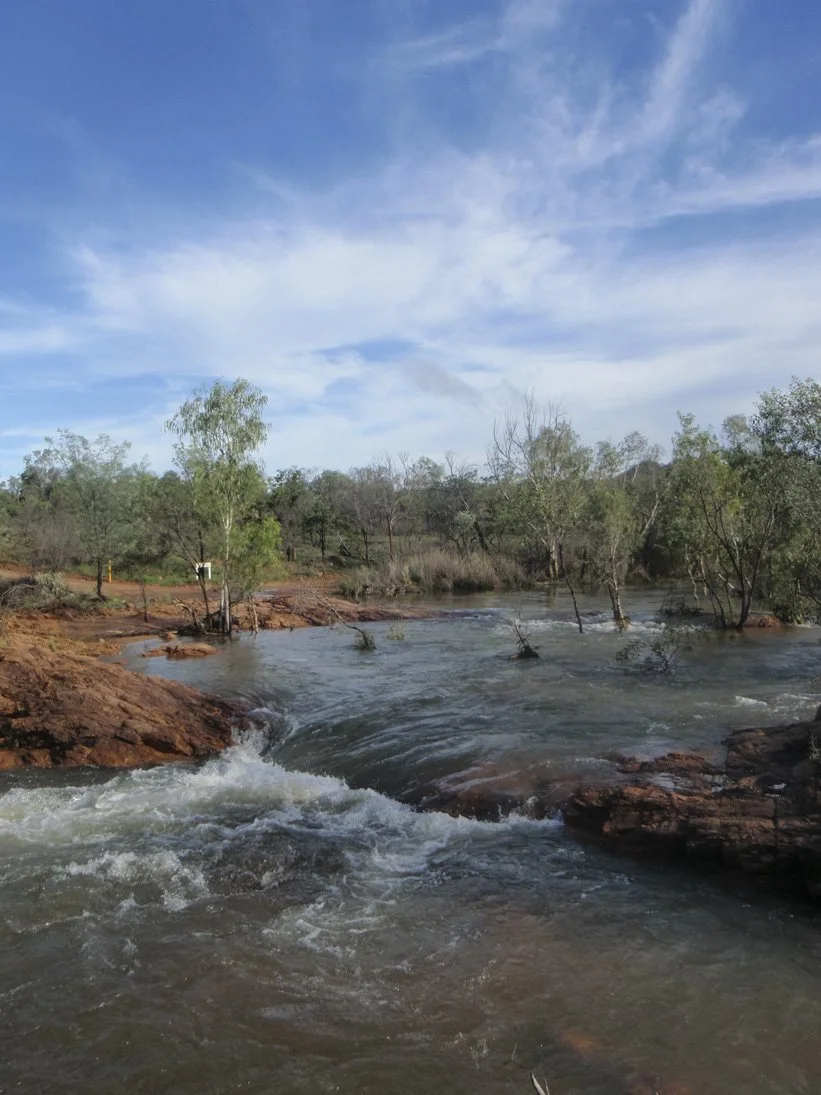
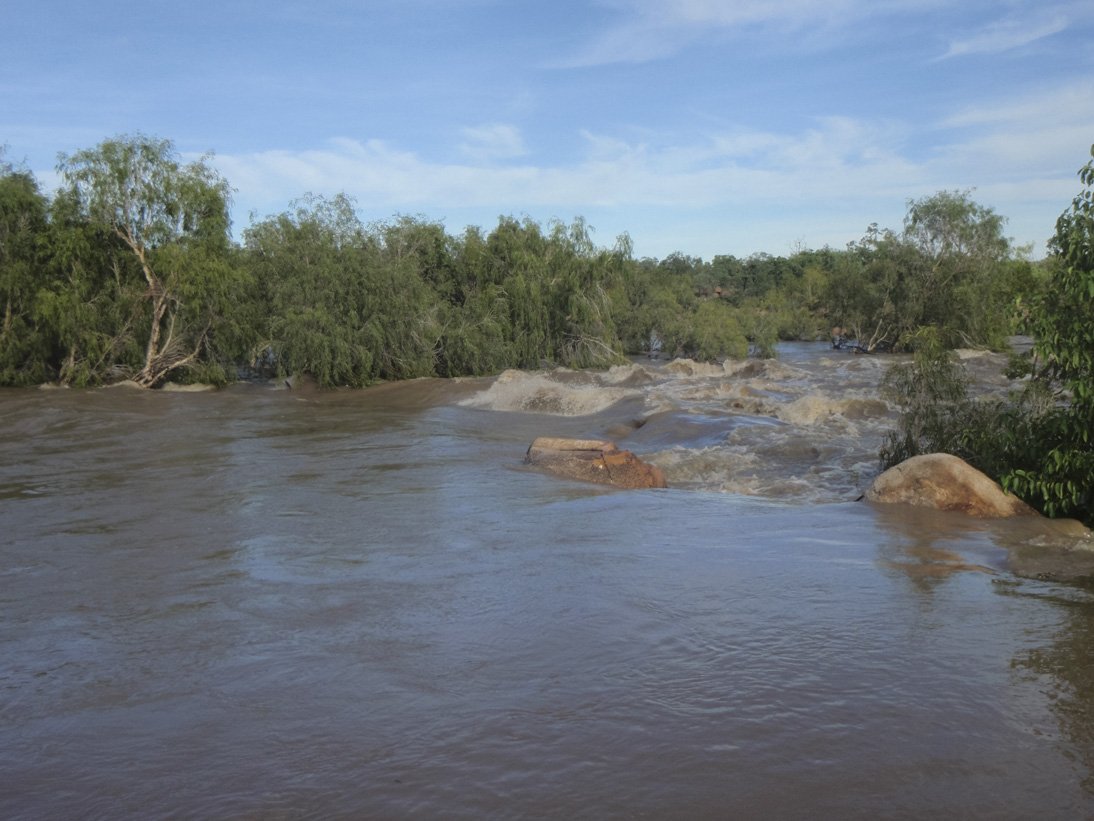
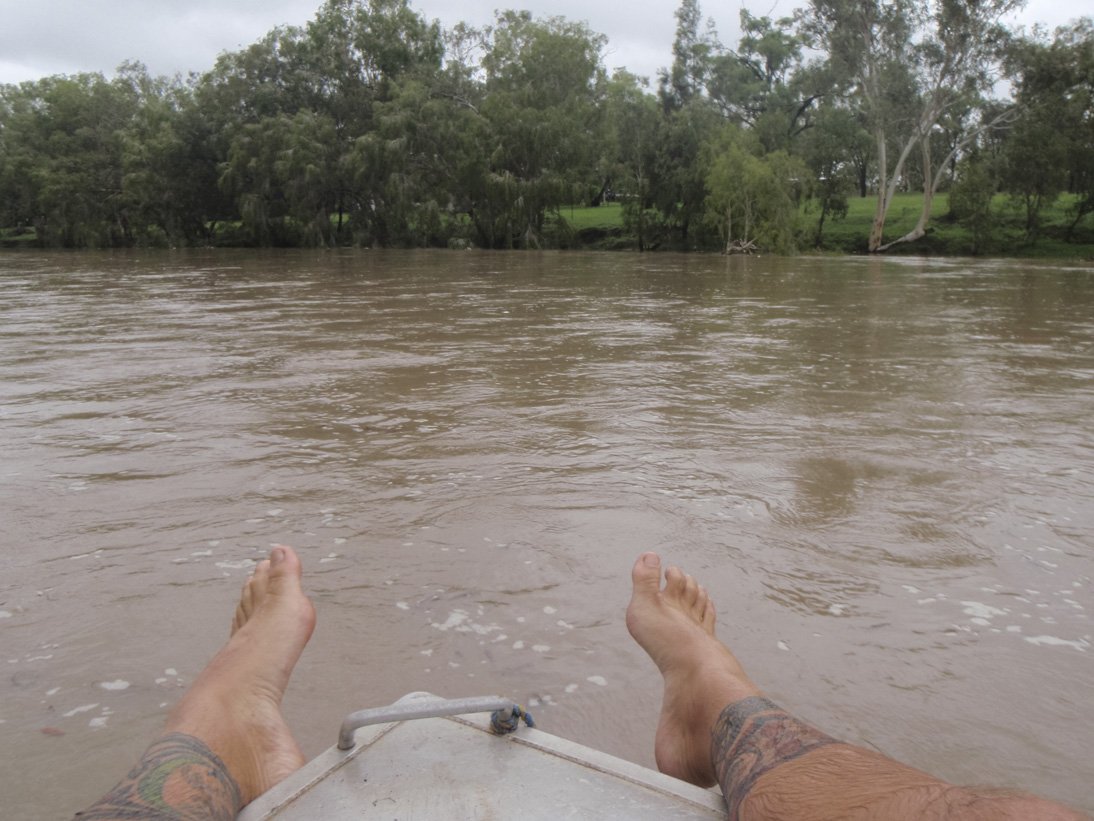
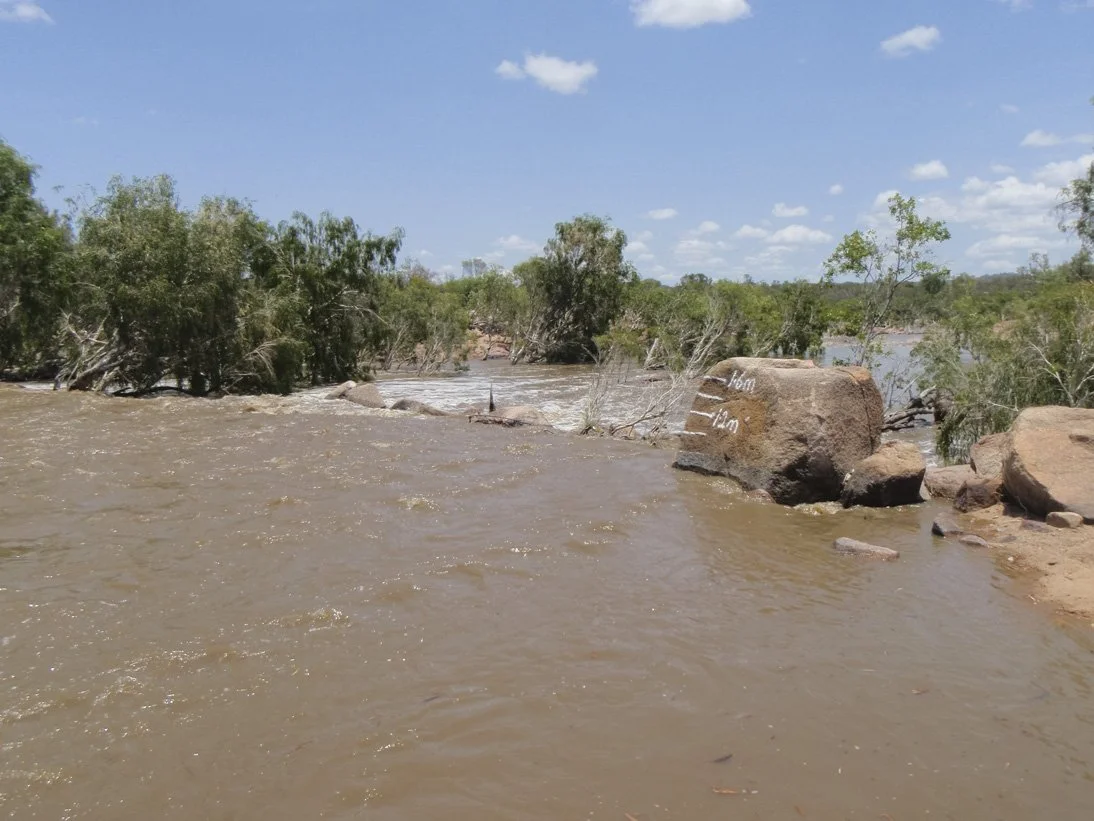
During the summer wet season, the country can take on a very different aspect when heavy rain clouds pass overhead bringing everything to life. Growing things become vividly green and the pink granite soil and boulder strewn hills deepen in colour with the saturation of the rain. Birds and animals are on the move, frogs like you’ve never heard before, creeks and waterholes fill up and it’s time to get out and go specking. The rain moves everything around, dirt and stones are washed into creeks and topaz that may have been hidden under a layer of soil are now washed clean and bright and will wink at you as you walk past. Walking around the hills, eyes cast downwards scanning the ground ahead is how you find them. You move slowly because there is everything else about you to also take in. Here there is no rush.
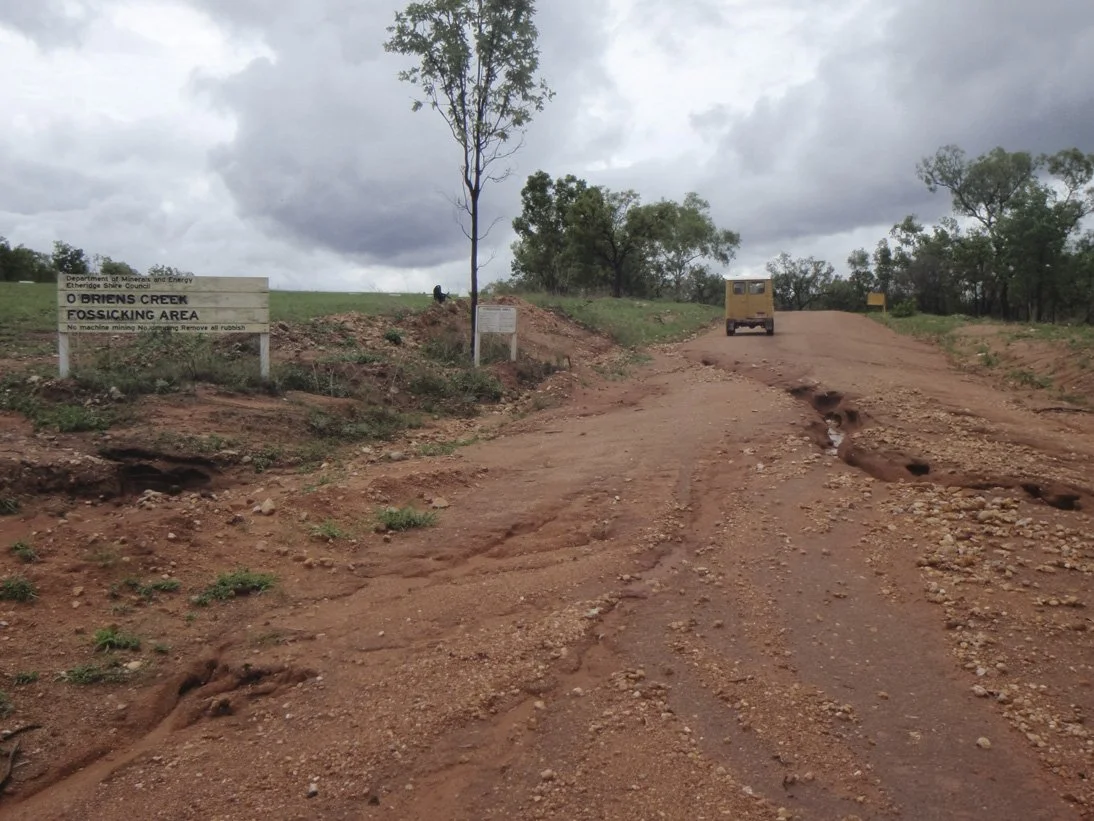
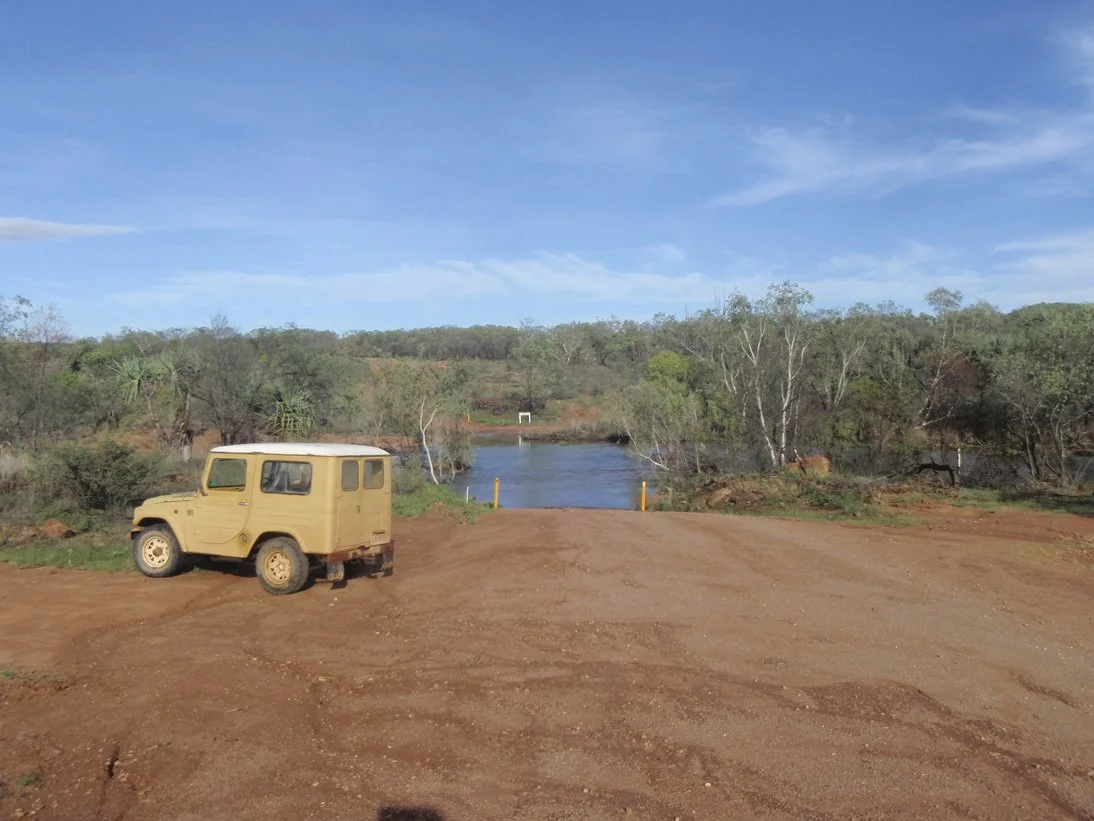
Around 2012 I had the good fortune to caretake a small property called Digger’s Rest at O’Briens Creek. This was for six months over the wet season. It remains to this day a highlight of my time there in the outback savannah country, a unique experience I’ll never have again. I basically had the whole place to myself and I would take the little yellow Suzuki 4WD buzzbox out each morning and go exploring, up tracks and into the hills. That little vehicle surely was a mountain goat in a past life, the places we would go. Many of the tracks are quite tight in places and the small little 4WD nimbly made it’s way where bigger vehicles couldn’t go. The summer rains would quickly raise the creeks filling swimming holes. Nothing better than having your own private oasis, with a soft warm drizzle of rain coming down, just taking it all in. If I was lucky there might even have been a beer in my hand.
How did I get here?
In 2008, after 20 years as a computer programmer/systems designer/database architect, I decided it was time for me to fold my cards, get up from the table and walk away. It wasn’t the easiest of decisions to make, for all the reasons you might imagine, but this was just after the GFC and I saw the direction things were going and I had had enough of the corporate computer game.
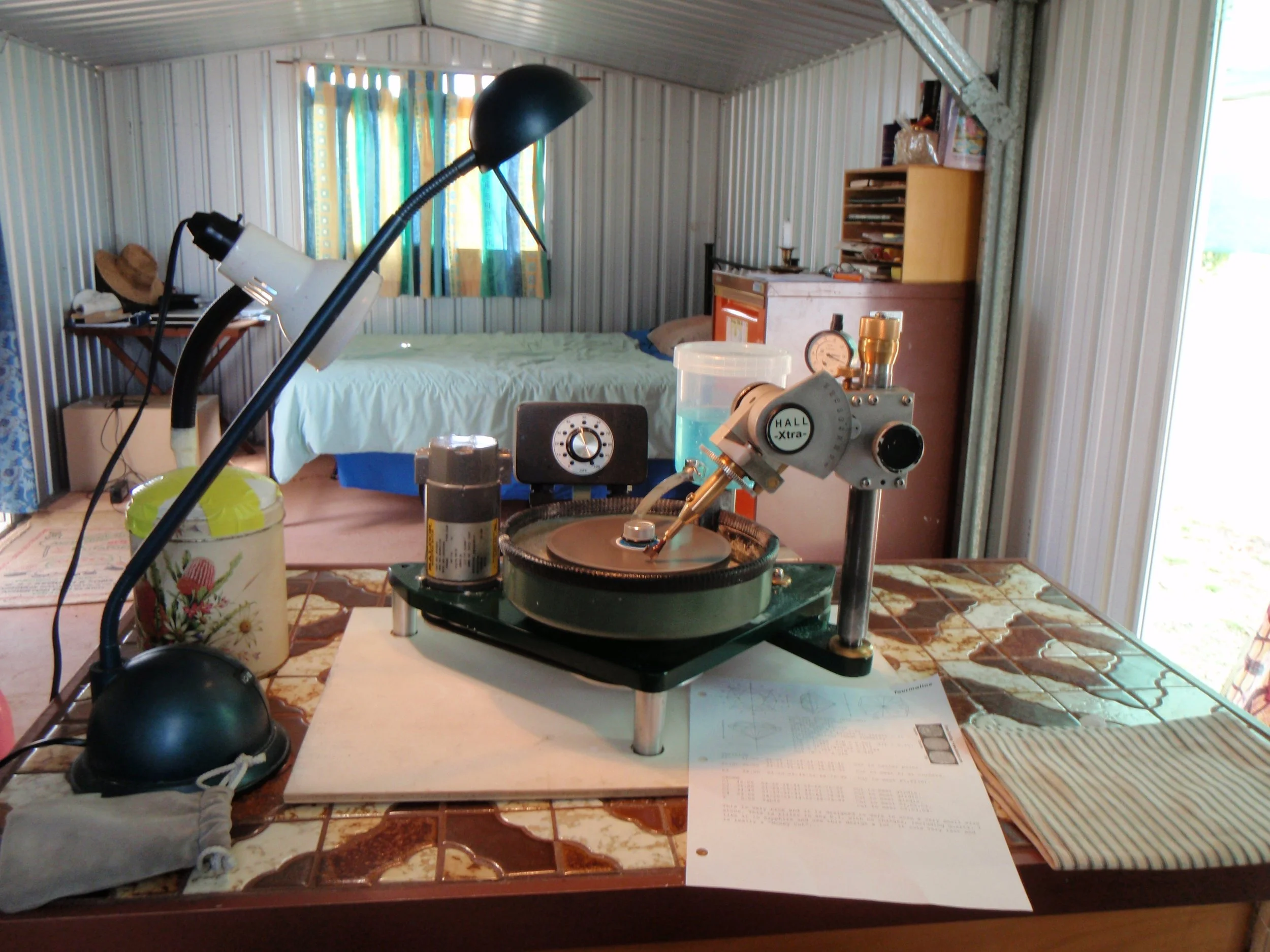
For a year or so beforehand I knew I had to make a change, I could feel it brewing like the build up to a big storm… but what would I go and do? Around this time I had started to teach myself gem faceting as a hobby. I purchased a Halls Xtra faceting machine from Laurie Hall in Cairns, a finely hand-manufactured machine and one of the last he personally made, a small bag of citrine rough and a how-to-facet book from Jeff Graham over in America.
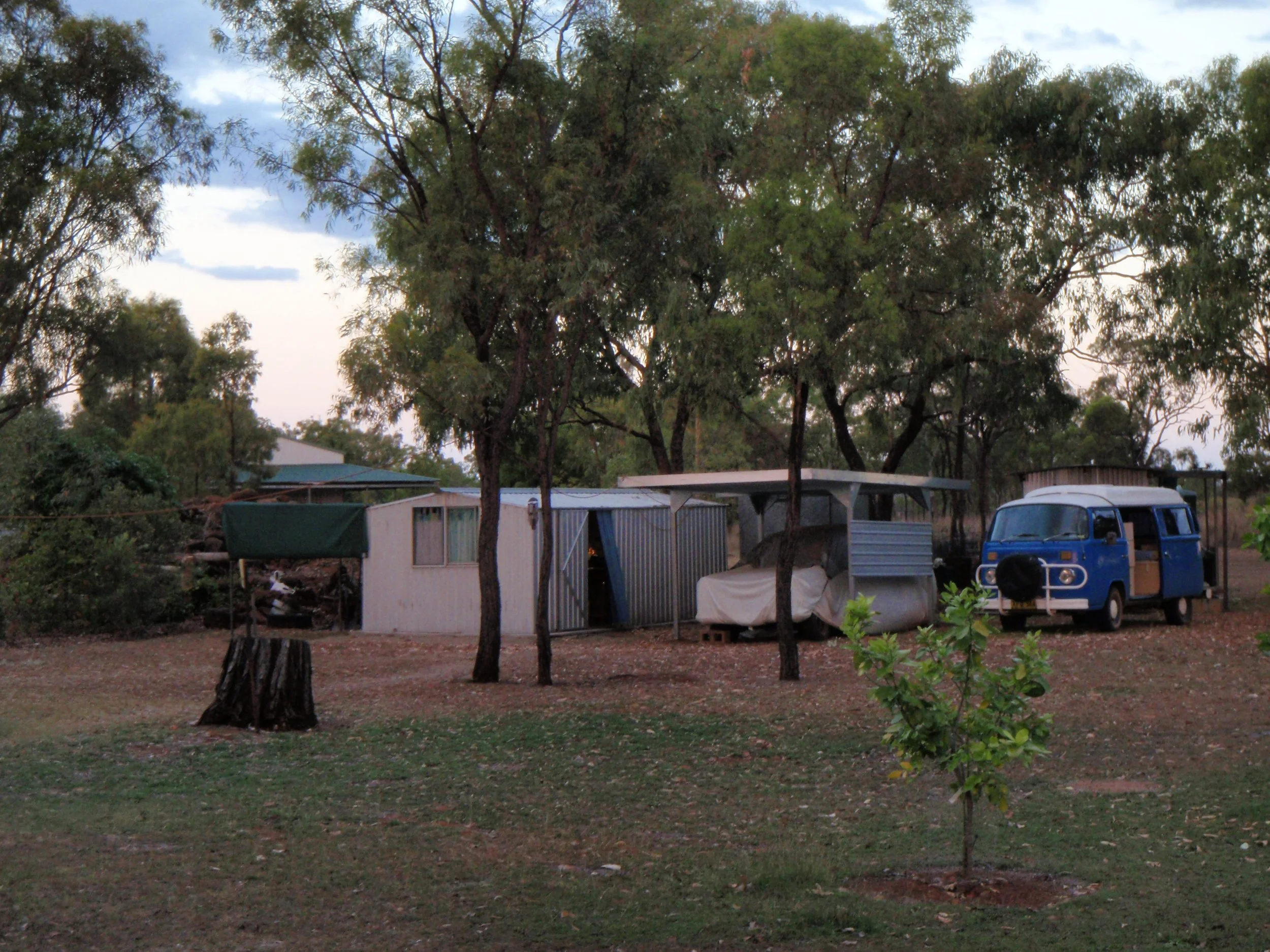
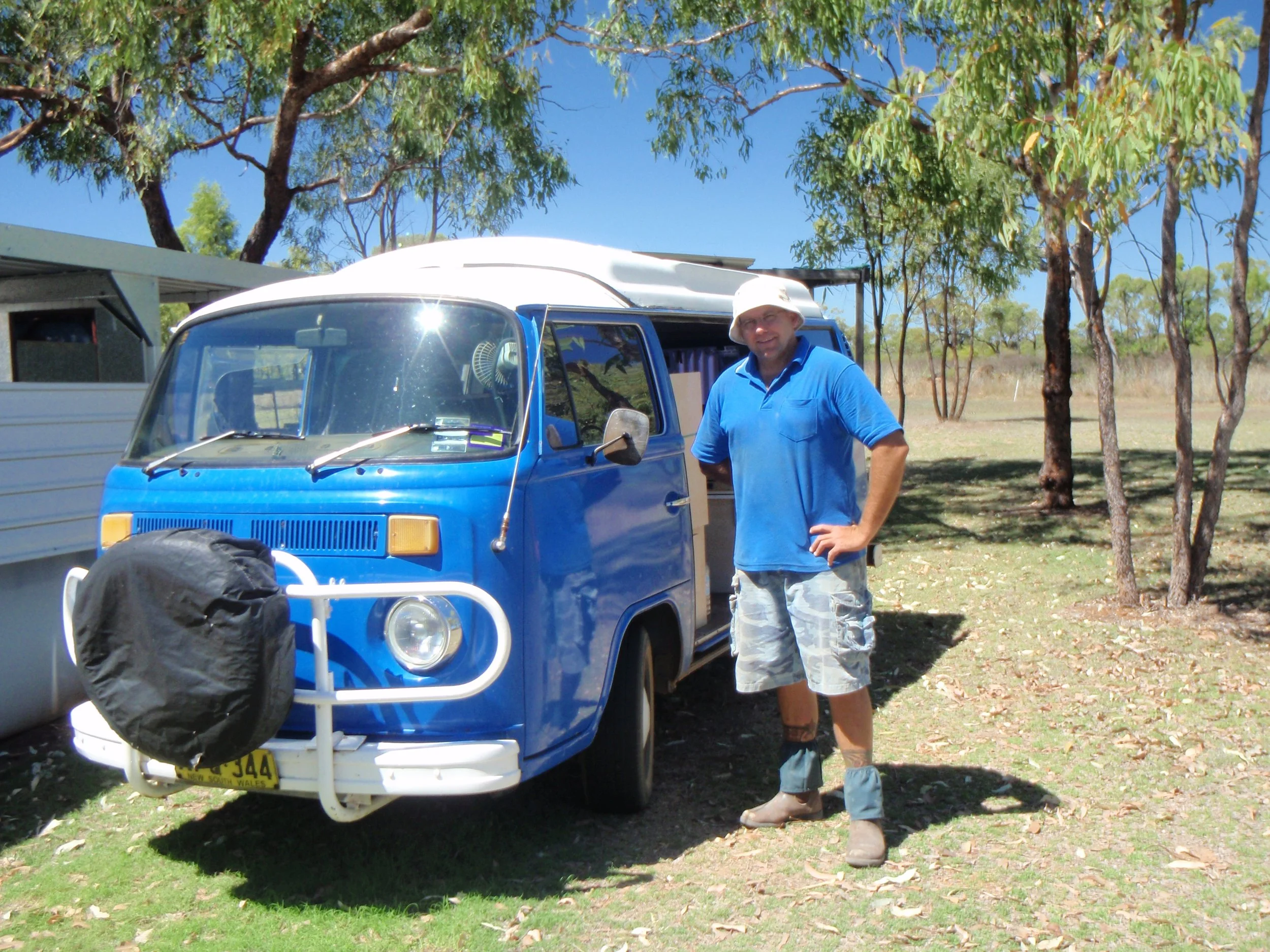
As fortune would have it, an opportunity to work for three months in a little gem shop in a tiny outback town called Mt Surprise over the winter tourist season appeared out of nowhere in the back of a gem magazine at just the right moment and I seized it with both hands. I asked my boss (I was contracting with JPMorgan in Sydney at the time) for three months off. He said no, that I could only have one month, so I said in that case I guess I just have to quit. The stunned expression on his face… priceless! I gave my obligatory three months notice, bought a ‘76 blue kombi, put most of my belongings into storage, packed my gem faceting equipment and the rest into the van and off I went. Talk about a leap of faith! Crazy. It sends shivers down my spine now to look back and to imagine what things might have been like if I hadn’t. One of those sliding door moments. I’d be living a totally different life.
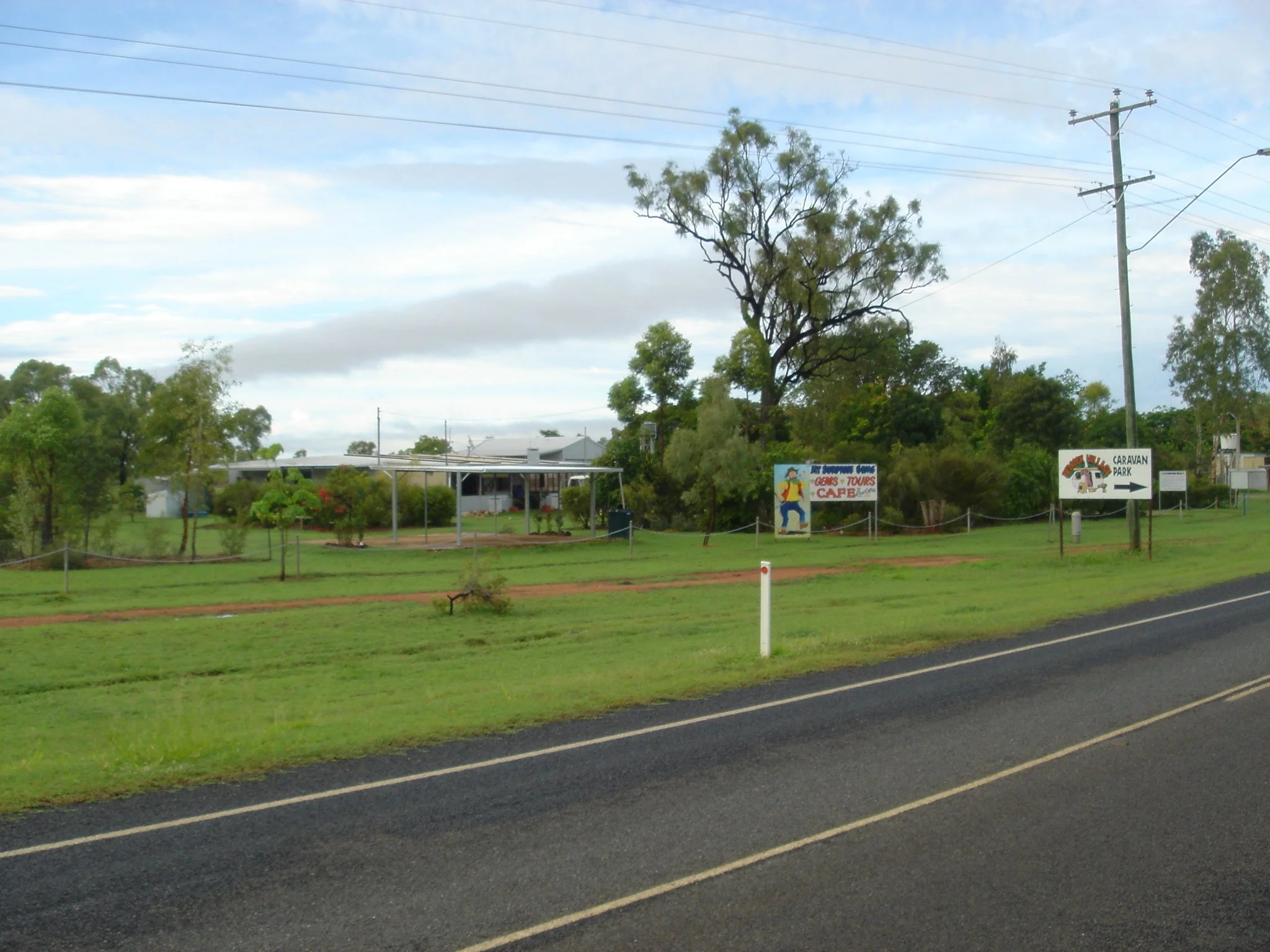
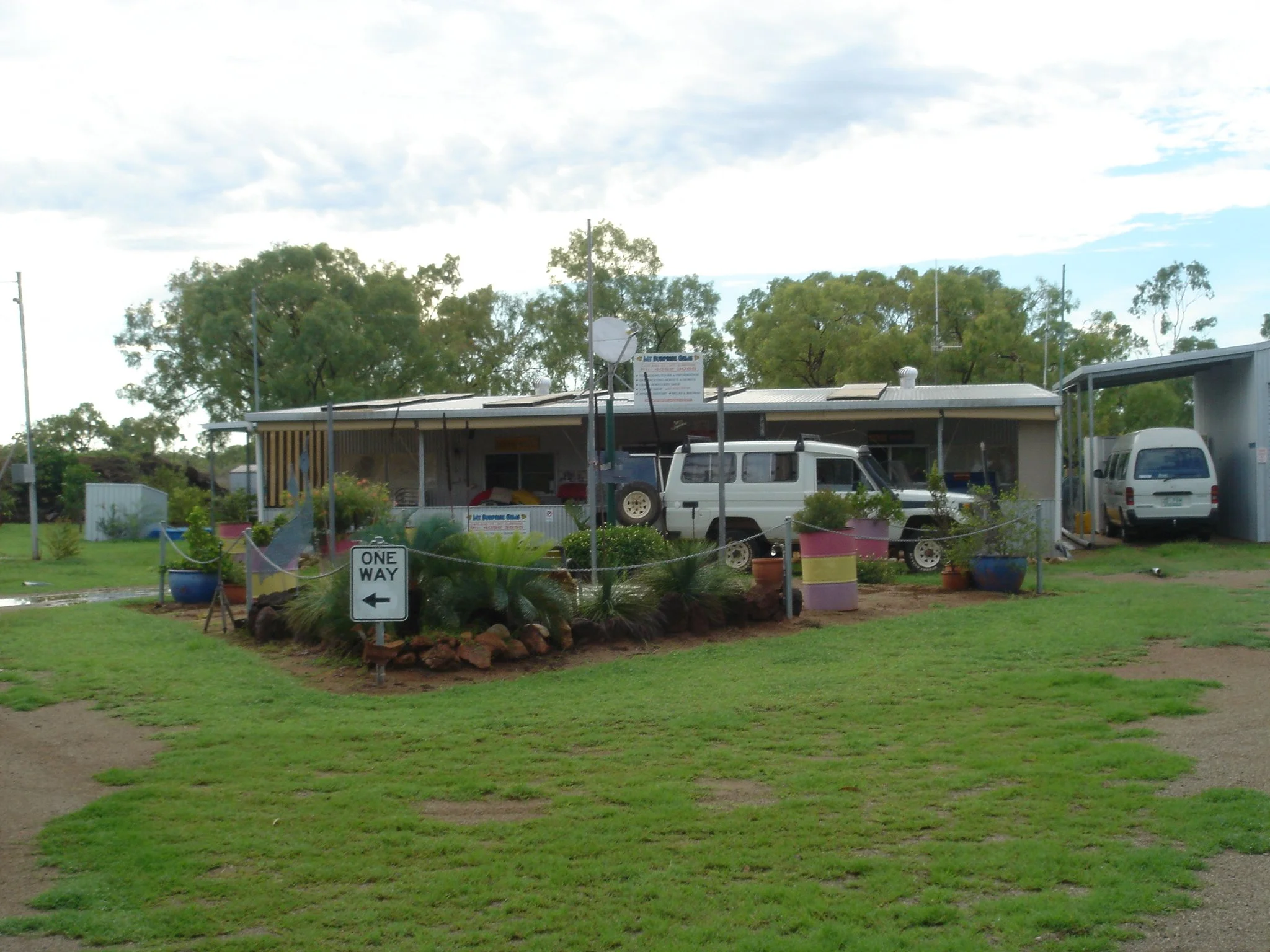
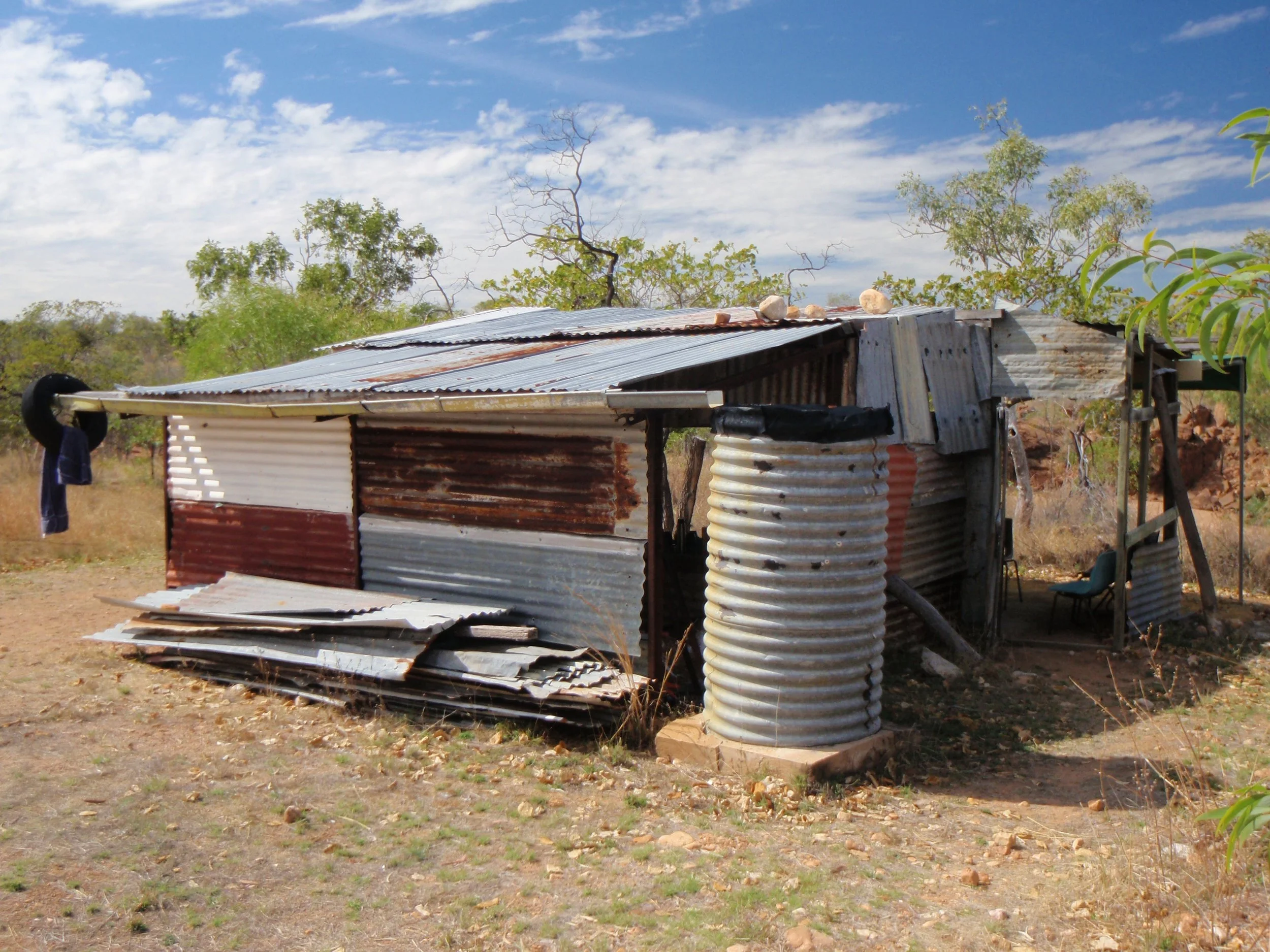
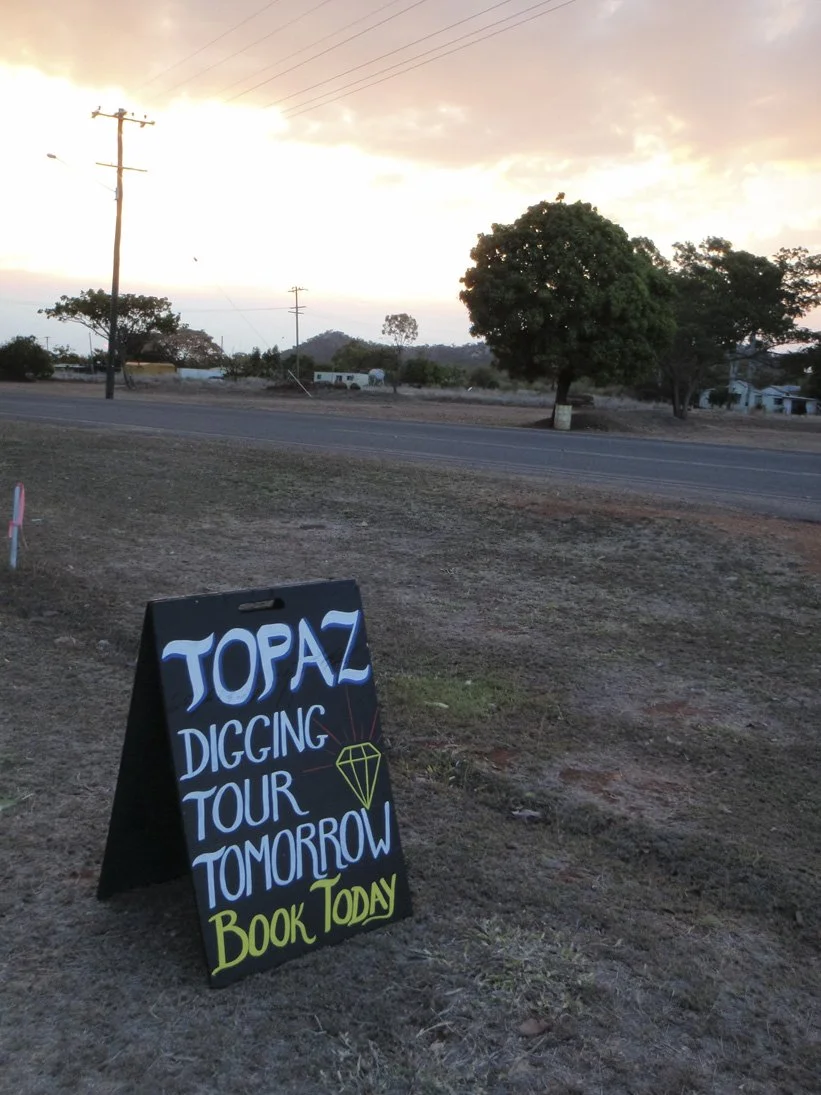
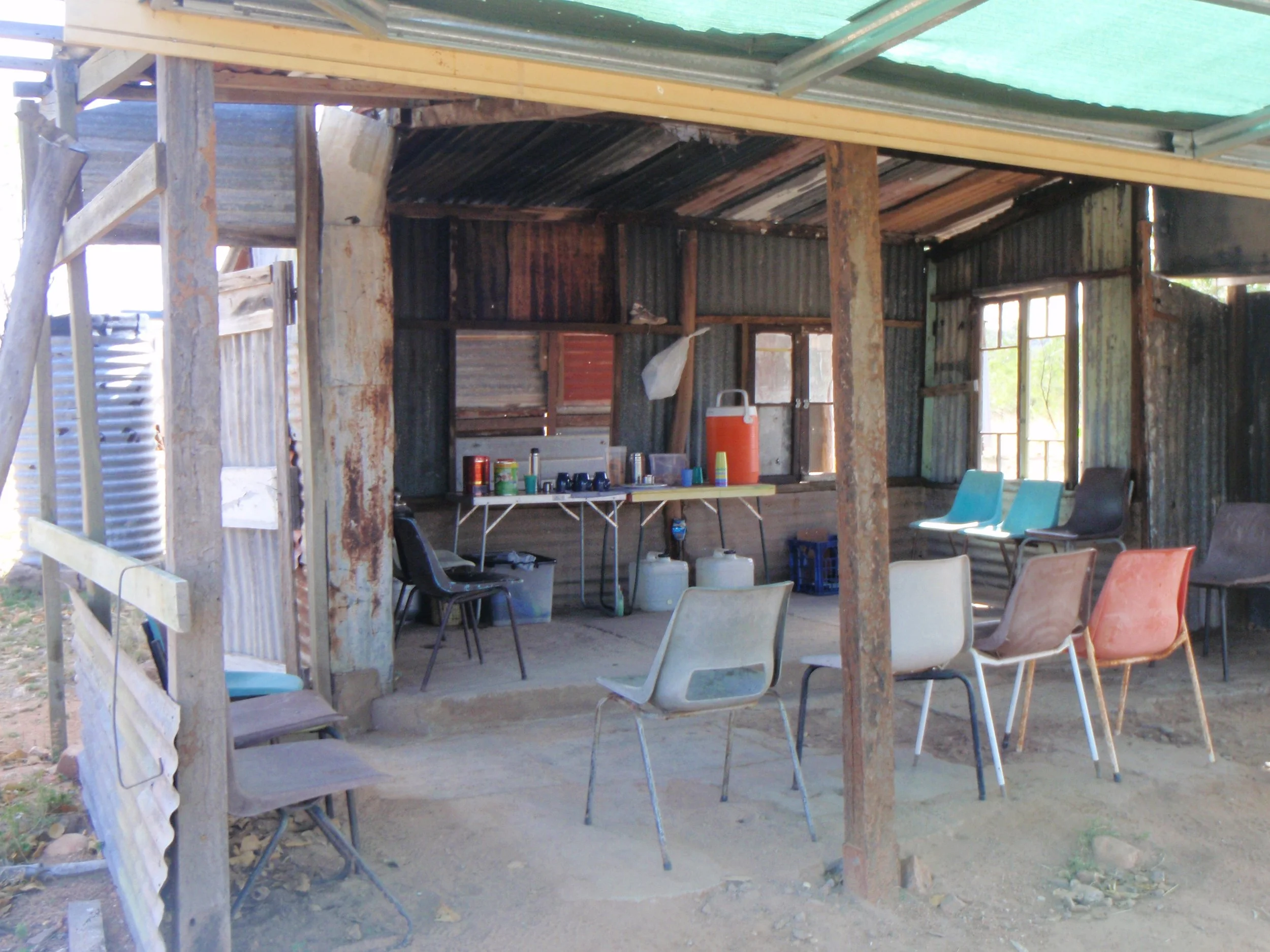
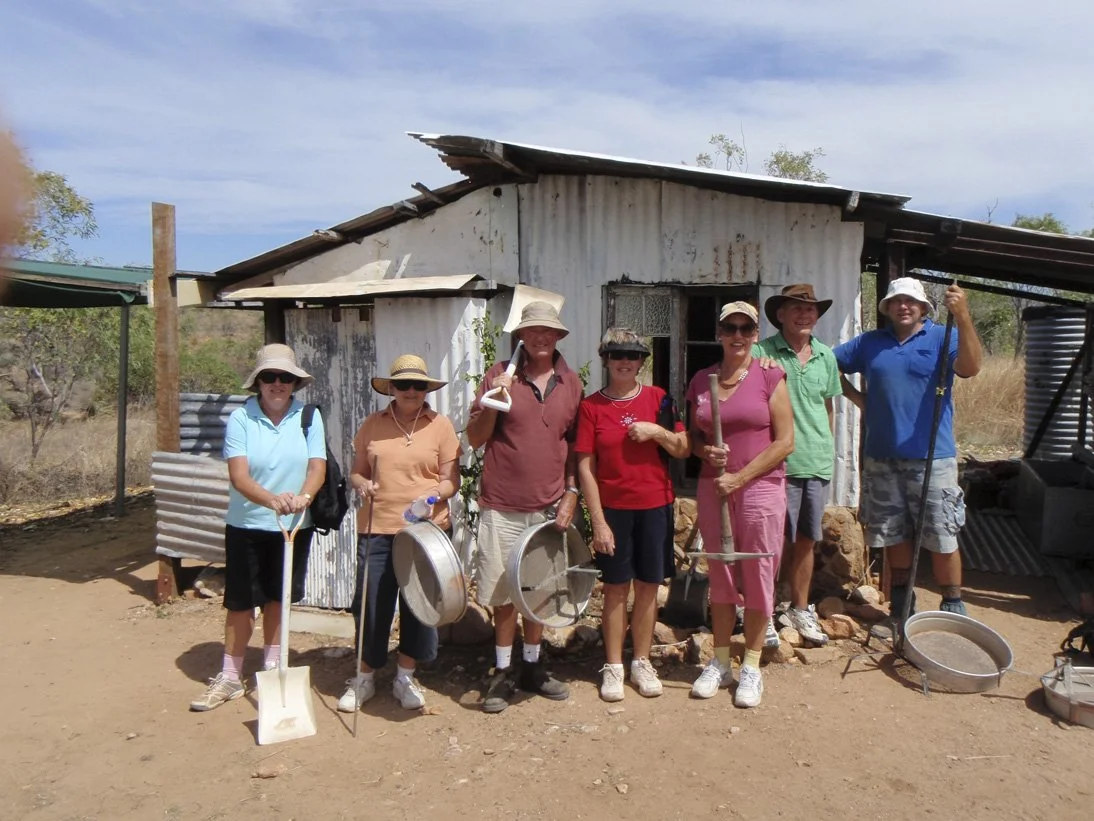
For five years I lived out the back in a double tin shed on Pam and Pete’s (and Rocky the dog) property, the owners of Mt Surprise Gems and the ones who placed the ad. Over the winter season I’d be camped out there and each day we’d take tourists and travellers out to the claim at O’Briens Creek in the morning. There was an old miner’s shack on the claim where we’d give them all the digging gear they needed and holes to dig in. Morning tea would be provided and everyone always found a small handful of topaz. It was great to share this place with people. In the afternoon we’d bring them back to the shop and have a look at the topaz they found. More often then not there were some good cutters among the topaz and I’d spend the rest of the afternoon turning the rough stones into gems. There were two caravan parks in Mt Surprise at the time where everyone would stay, one pub and a servo. Not sure what there is today but back then it was a small place, blink and you’d miss it when you drove through.
If you want to see what a day out on the fossicking tour was like, have a look at this video.
The Topaz
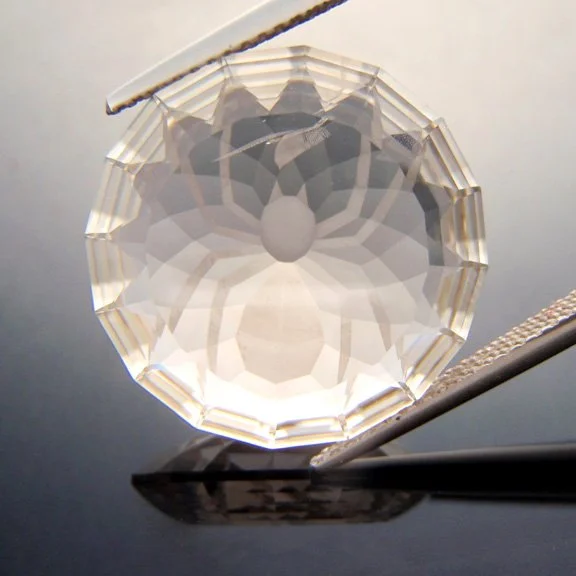
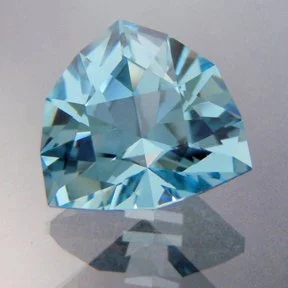
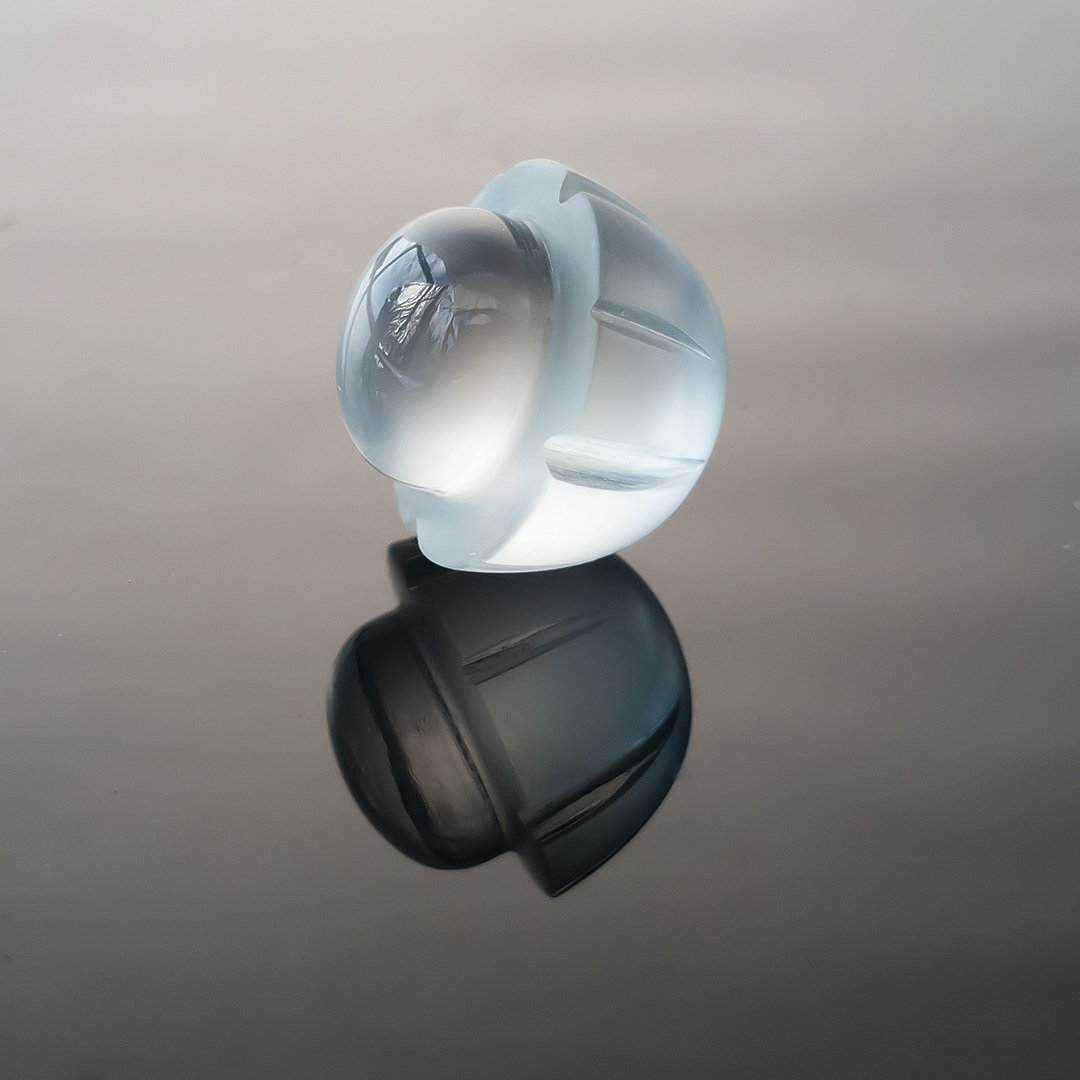
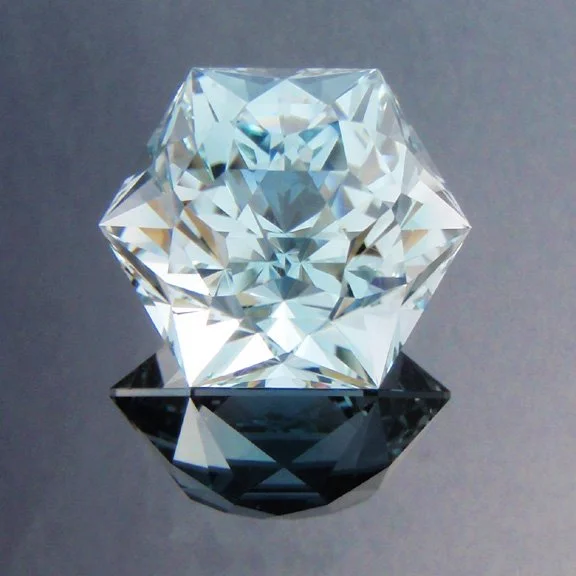
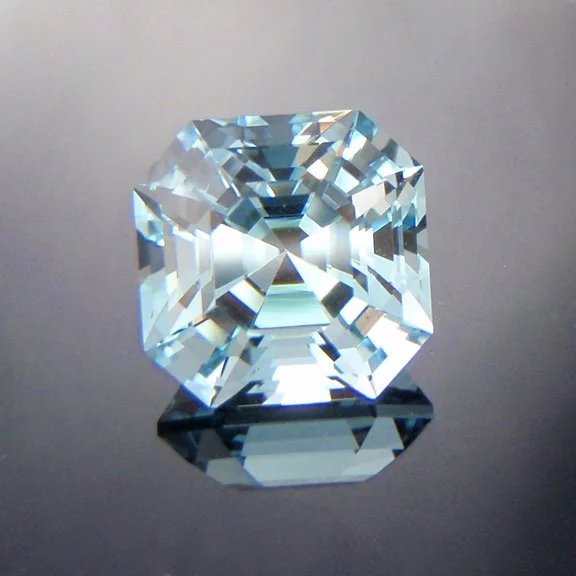
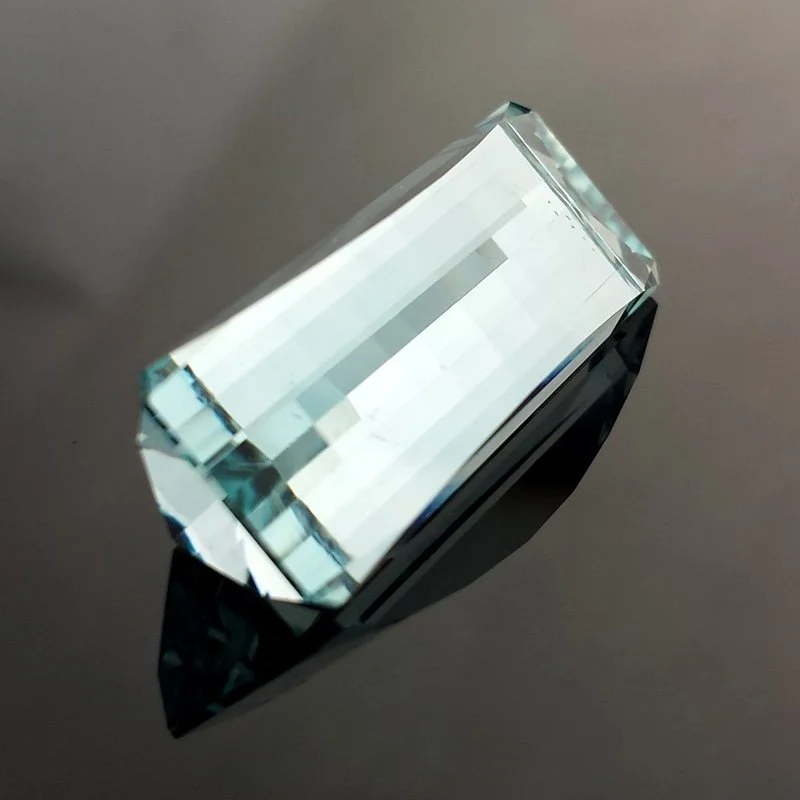
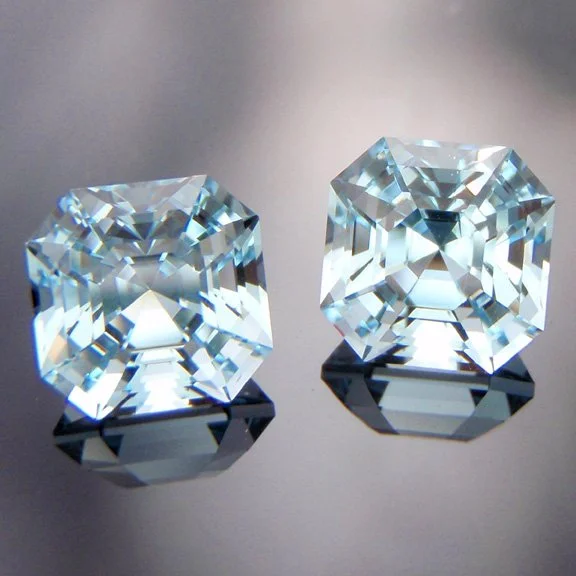
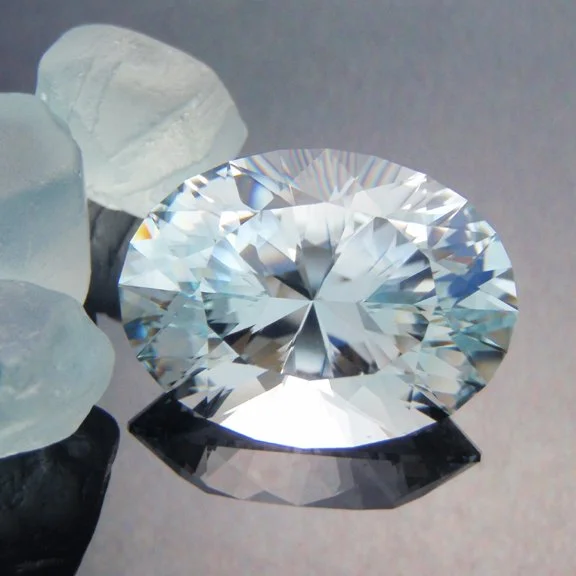
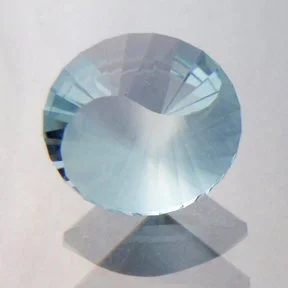
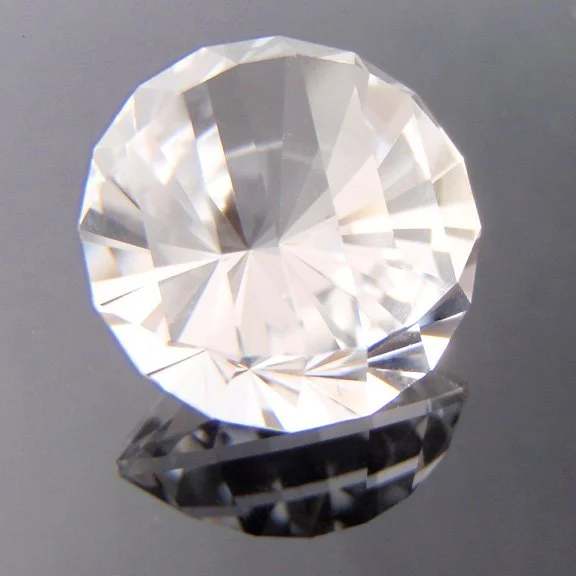
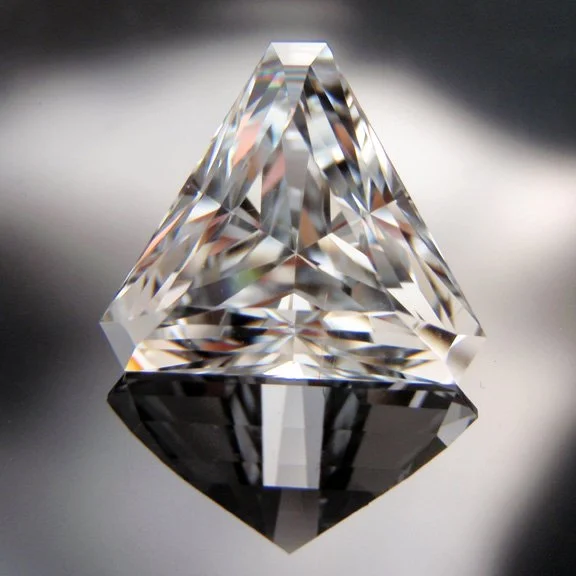
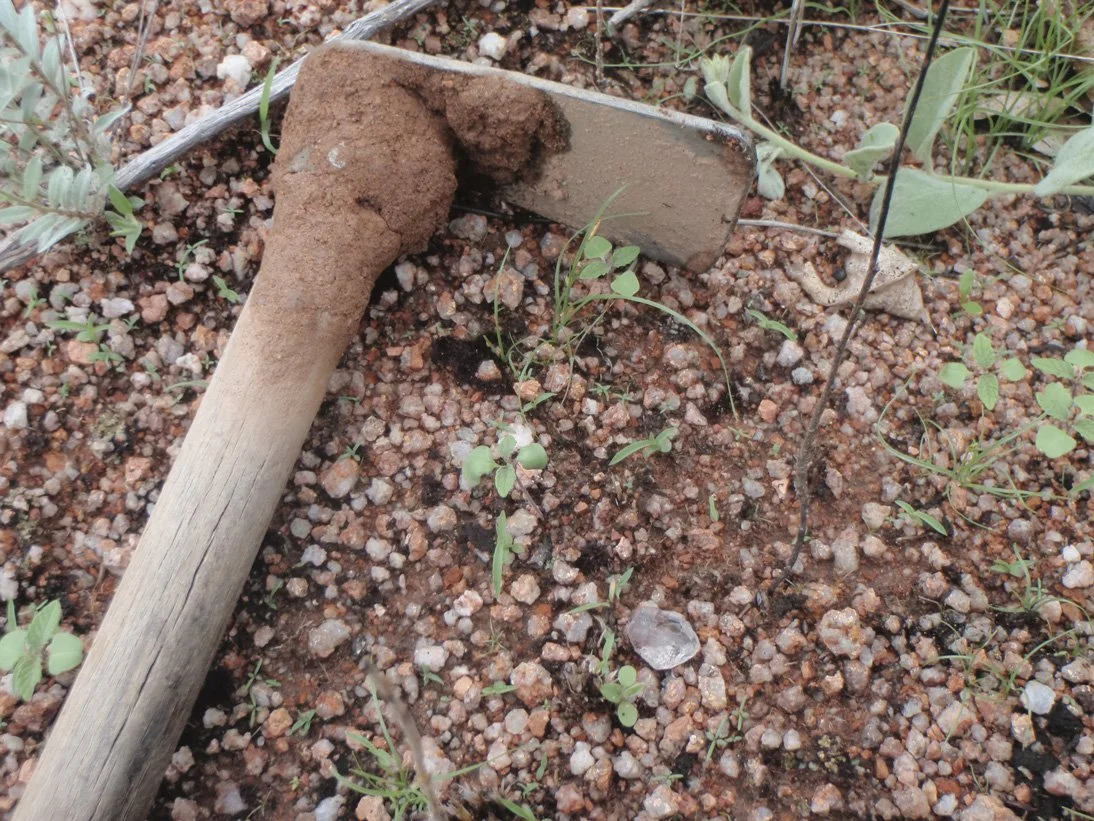
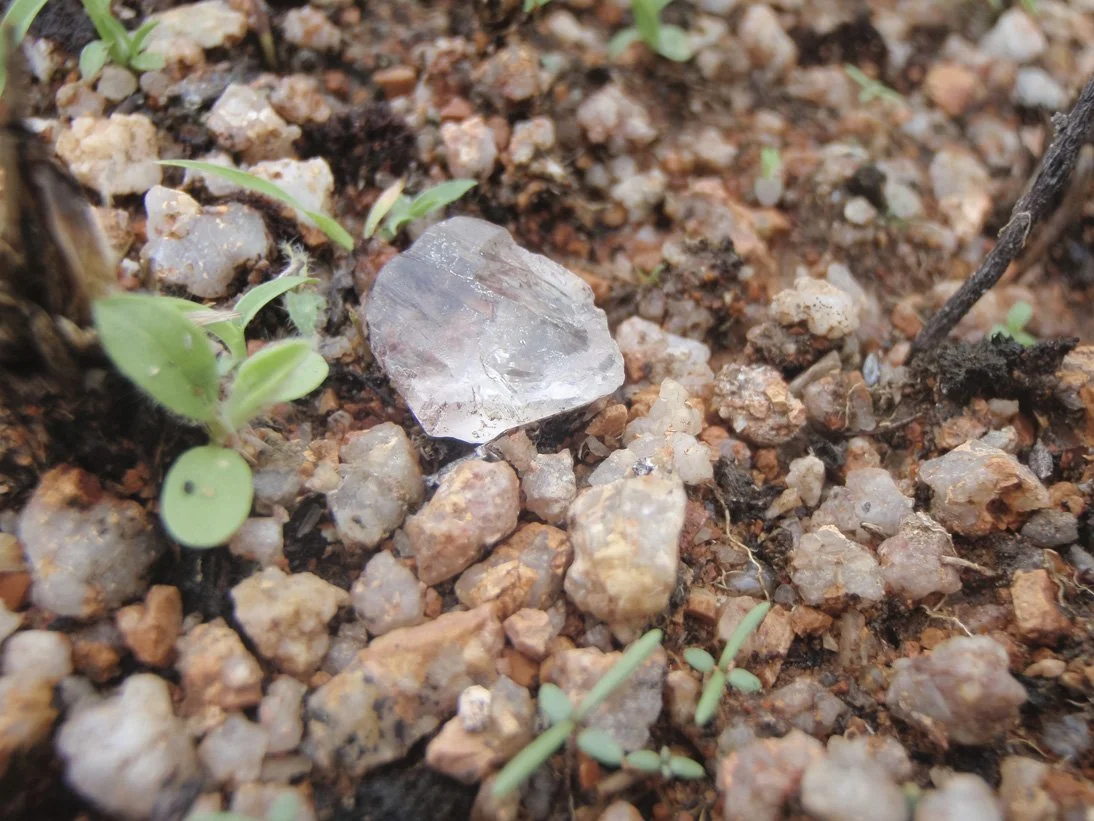
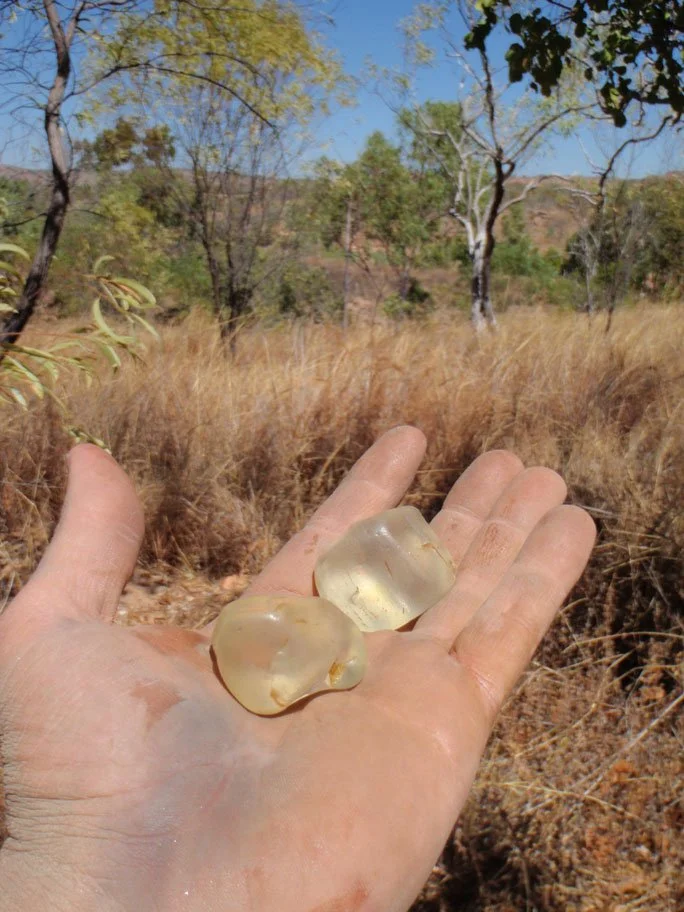
Topaz is found as clear silvery white crystals or water worn nodules. A small proportion of the stones will have a blue colour zone running through the middle. Some topaz will have just a touch of blue while others are quite saturated. When faceted correctly, topaz looks stunning and it cuts a very brilliant gem. It has a brightness and clarity about it that is quite unique and the blue hue when present is a very elegant, soft iceberg blue. I’ve always found it to have a sort of cooling and refreshing feel about it.
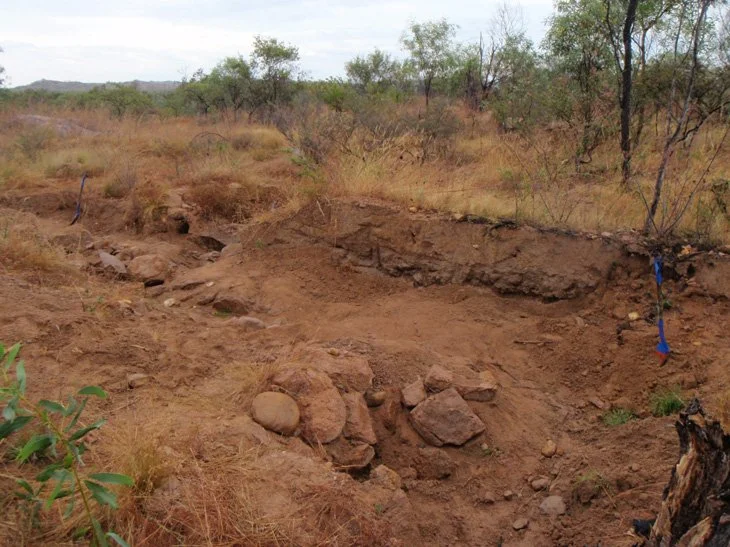
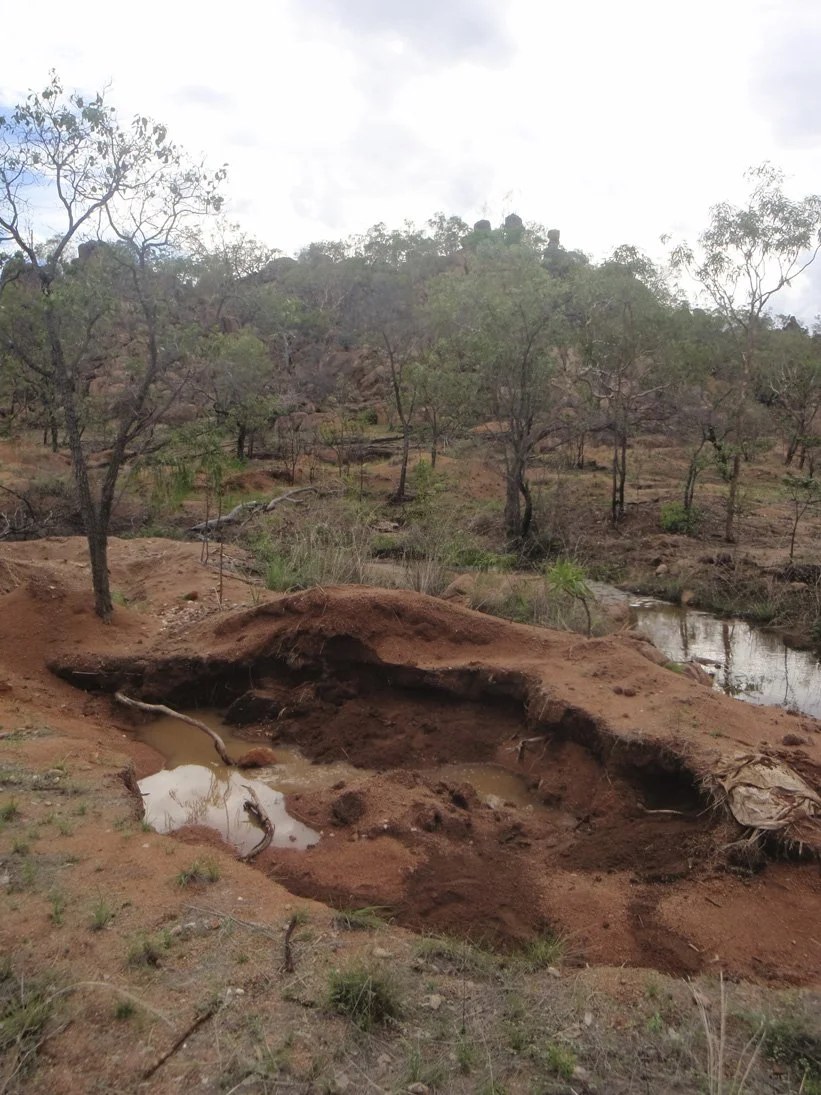
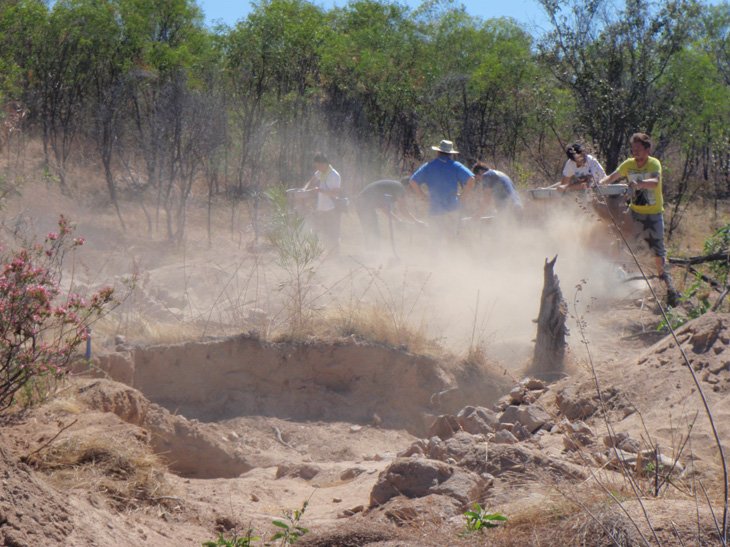
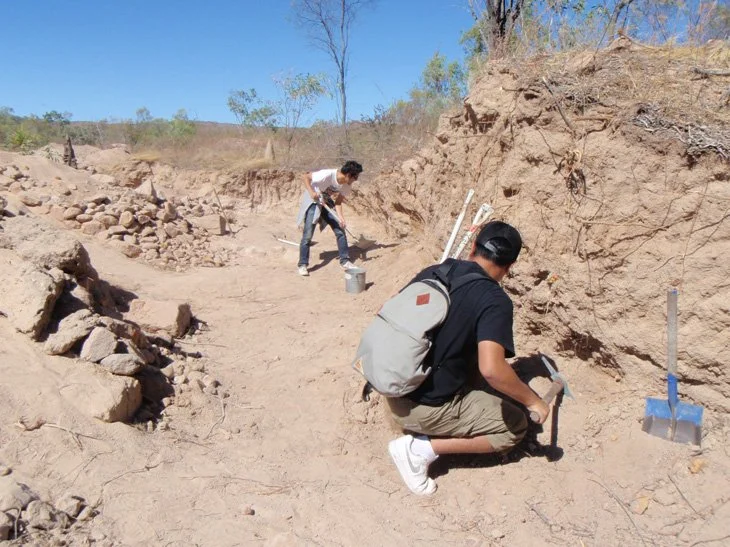
The normal approach to digging topaz is to try and locate somewhere you think topaz might have congregated, such as little drop offs and depressions where streams have flowed down hills or where ancient creek beds ran but have long since been covered over. When all else fails, toss the shovel over your shoulder and where it lands, start digging. There is always the temptation to dig in the sand in the present day creeks but for myself personally I’ve never have any luck digging in sand. It’s a frustrating thing to do. Better to dig into the hard packed banks and regardless of where you choose to try, be prepared to move a lot of dirt and big rocks and boulders. This is where a crowbar is essential and perhaps a hand winch and strap if you’re really serious.
Unlike the opal and sapphire gemfields where powered machinery is allowed, here at O’Briens Creek that is not permitted. You won’t find any bulldozers, backhoes or jackhammers strip mining the place and may that always be the case. The only way you’ll find topaz is by hard manual labour or good luck. Sometimes you’ll pick a really likely looking spot and you know that this is where the topaz will be, problem is someone else thought exactly the same thing a decade ago and found all the topaz first. Since then the wet seasons have filled in the holes and removed all trace that they were there.
Another strategy is to seek out where someone has already dug a big hole. Now the question is, did they find topaz here and perhaps had to leave cause their time was up, in which case there could still be plenty of topaz waiting to be found, or did they find nothing and moved onto another location. It’s also worth jumping in the hole and having a scratch around, you never know. However be warned… don’t jump in a hole if there is equipment present, such as a shovel or bucket. If someone is working a hole for an extended period of time the etiquette is to leave something there to flag it as occupied. If that person comes back and finds you in their hole expect to be told in no uncertain terms to vacate that hole and go find your own. See, the usual practice is most people get up early in the morning and head out while it is still cool and dig until early afternoon before it gets too hot. They then return to camp for the rest of the afternoon, have a shower, crack open a cold beer and show off their finds to the neighbours.
On the gemfields there are definitely certain unspoken rules and etiquette to be observed, such as respecting where someone else is digging if there is equipment present. Another one is don’t start digging next to a person if you happen to know they are finding topaz. That is really rude and you’ll be told to f*** off really quickly. I’ve encountered people who will sneakily follow others if they happen to know they are onto good topaz. Don’t be one of those people, no one likes them and you won’t be very popular. If you’re unsure what the do’s and don’ts are and it’s your first time digging for topaz, just ask someone. I’ve found people are more than happy to give you pointers and share their experience.
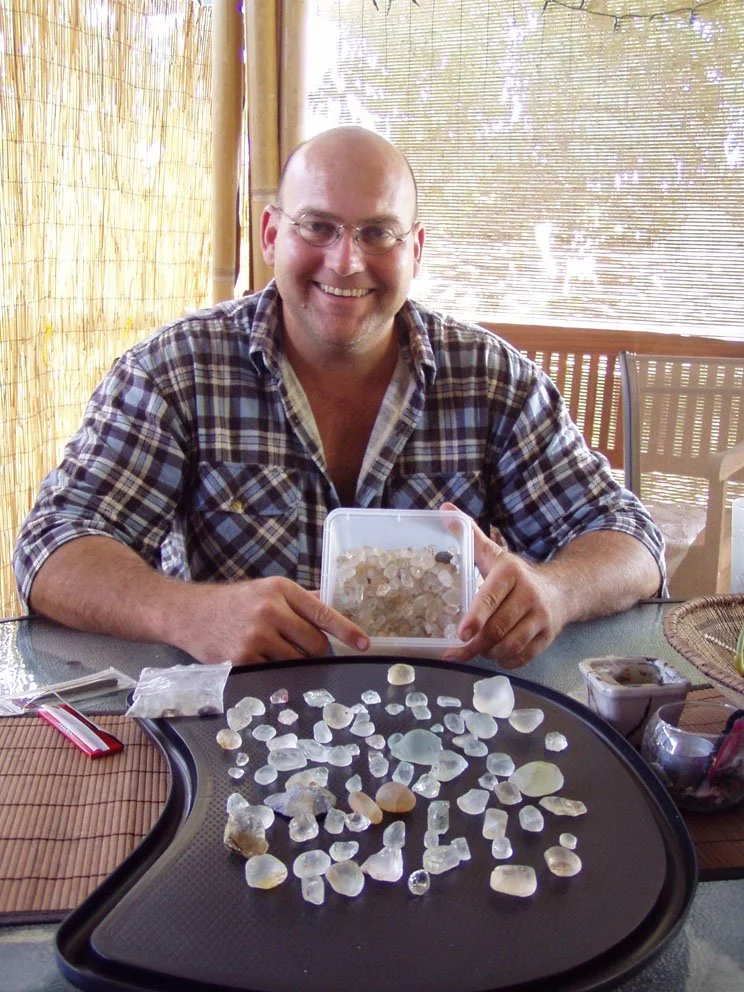
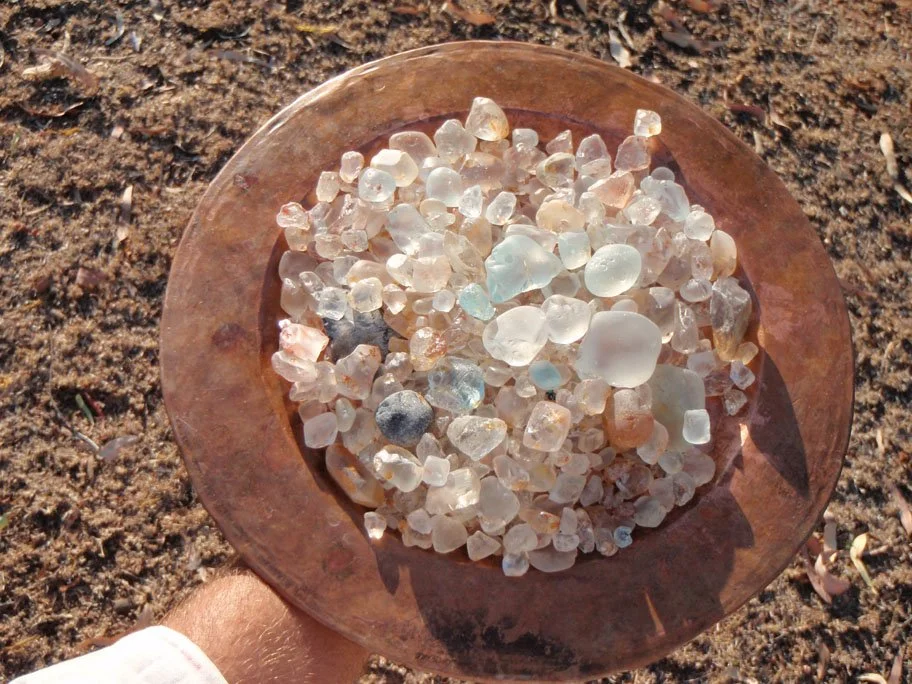
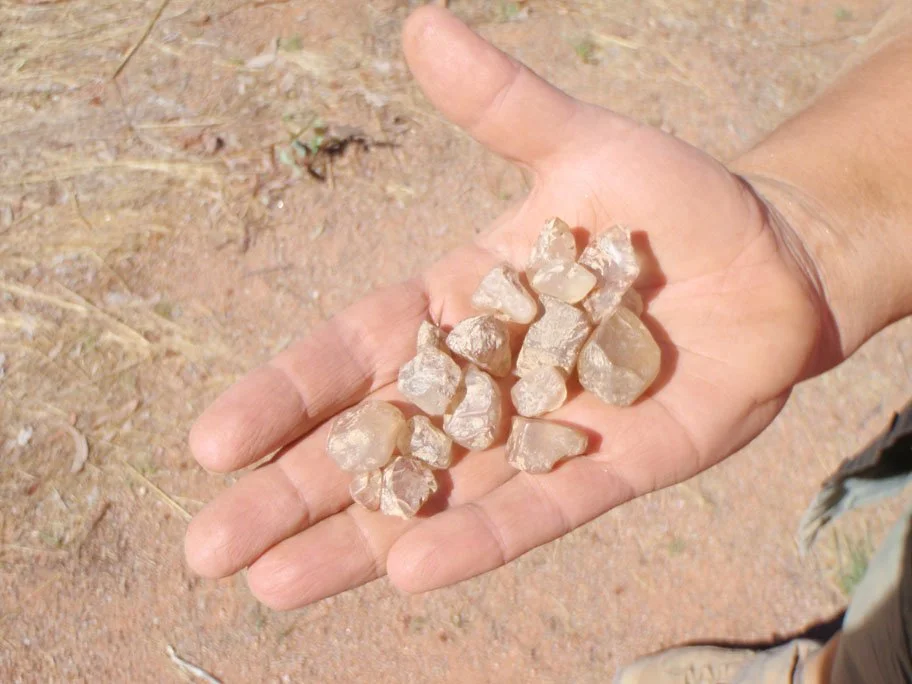
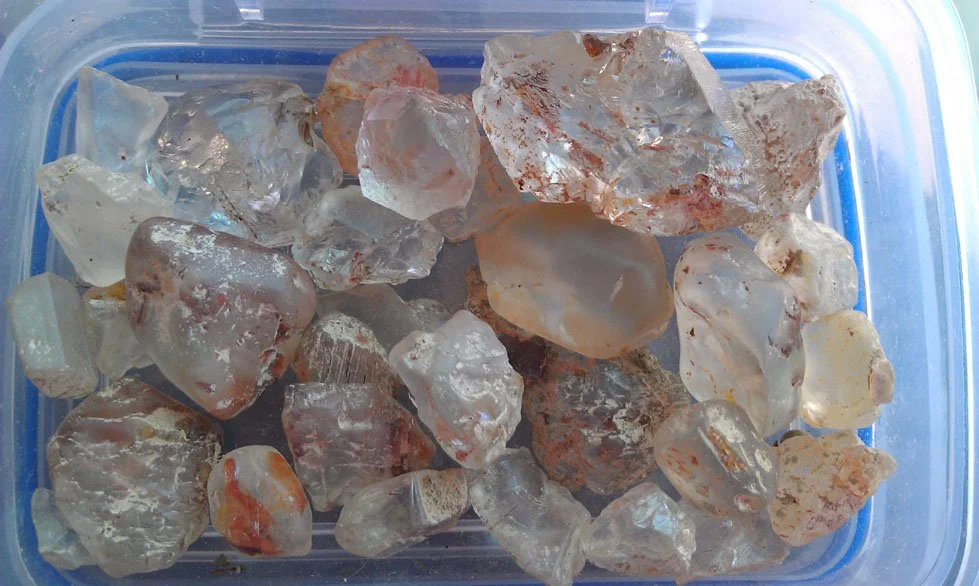
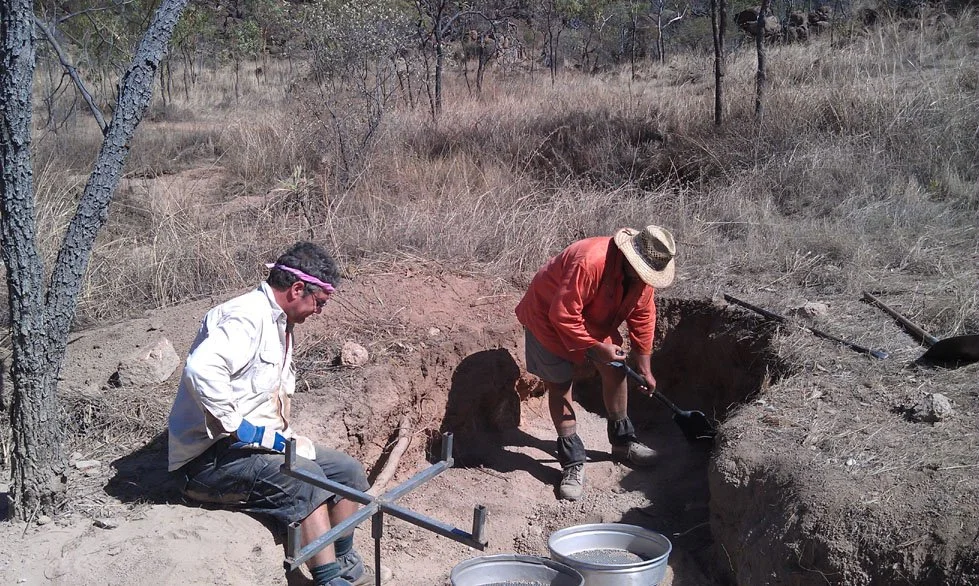
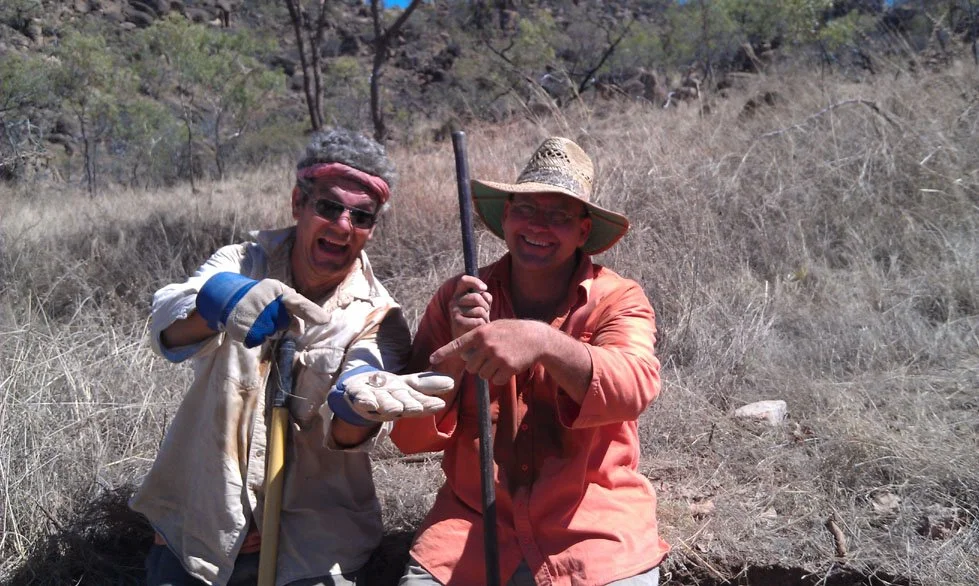
I’ve been asked many times over the years what’s my favourite gemstone but like that old cliche, it’s like trying to pick your favourite child. I usually answer with Australia sapphires, opals and a few others. But if I’m really pressed to name one I would have to say Australian topaz and in particular the natural blue topaz. Australian topaz is, in my opinion, a very underrated gemstone. Why? Who knows. It probably doesn’t have the glamour and the marketplace recognition and dollars attached to it that sapphires, opals, emeralds, rubies and all the big hitters have, rather topaz, especially the blues, have a quiet, confident elegance that few gemstones can match. Perhaps it is because I spent so much time looking for and digging topaz, wandering the ancient pink granite hills and discovering the beautiful landscape that has nurtured a deep affection and affinity for this sublime gemstone.
So what I commend to you is that if you ever have the itch to get out of the city or where ever you find yourself and go on an outback adventure, head to O’Briens Creek in Far North Queensland. Spend a week or two camping on the banks of a freshwater creek and have a go fossicking for some topaz. There is every chance you’ll find one and it might even be a blue. Trust me, you’ll have a fantastic time and you’ll discover for yourself the trill and wonder of Australia’s other great gemstone… topaz.